Home

  • Feeding the Hungry: Two Homilies for July 26,2015, 17th Sunday in OT

    As I am not preaching today it is my delight to offer two insightful homilies for the day by other priests.  One is by a Roman Catholic woman priest, Dr. Roberta Meehan,RCWP and the other by Gerald Darring who writes on the perspective of justice for St. Louis University Spiritual Readings. (liturgy.slu.edu). While Jesus gave himself away and lived and taught a radical way of love and compassion and inclusion he was acutely attuned to the needs of the whole person-basic physical needs were  important to him. Jesus clearly took care to meet the physical needs of people no matter who they were. As noted here there is a wealth of Gospel events describing Jesus feeding great numbers of people.  Some describe his great compassion for their hunger-even worries that they would collapse if they did not eat.  Clearly it remains the charge of his disciples throughout the world to feed the hungry.

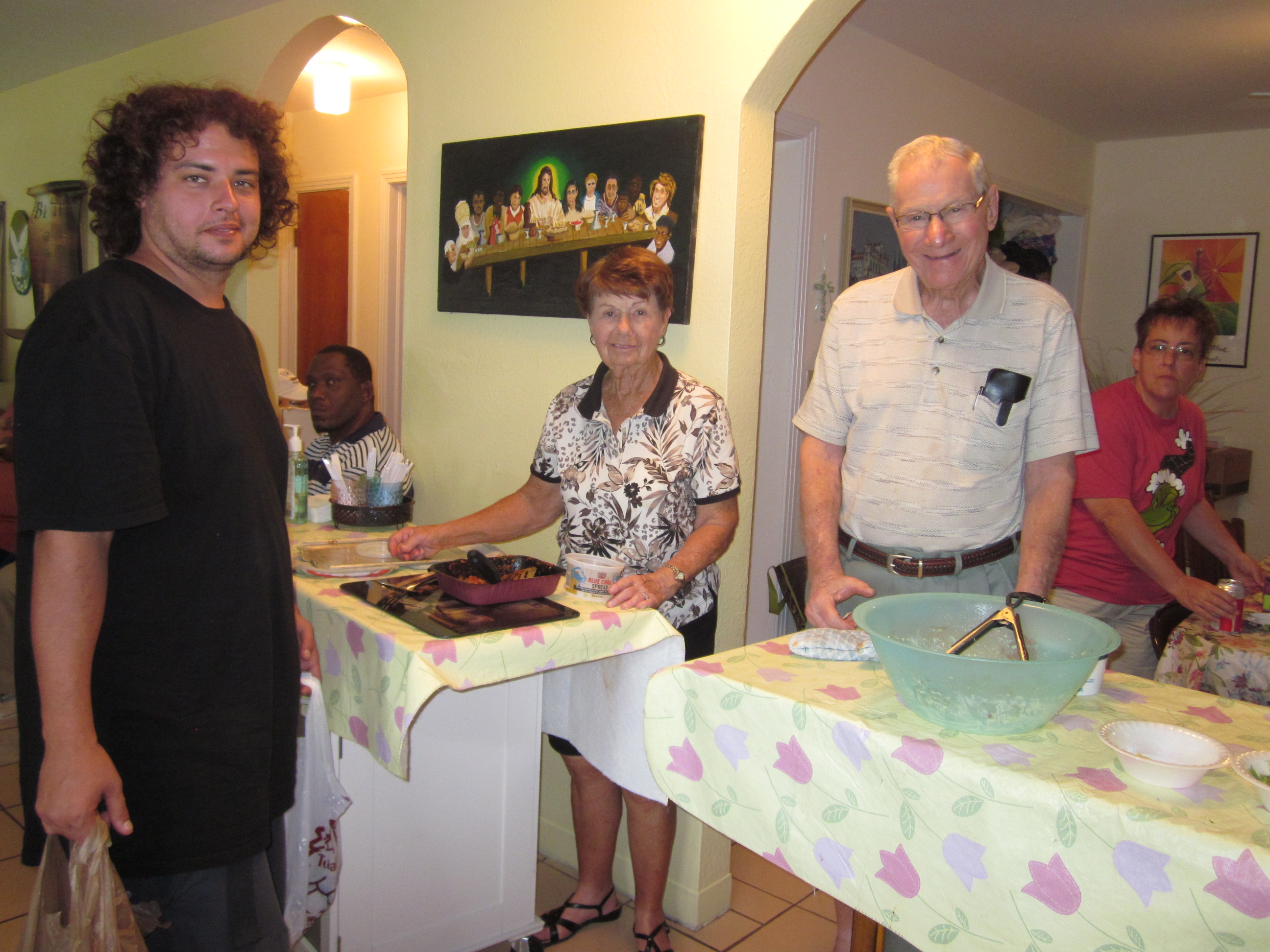
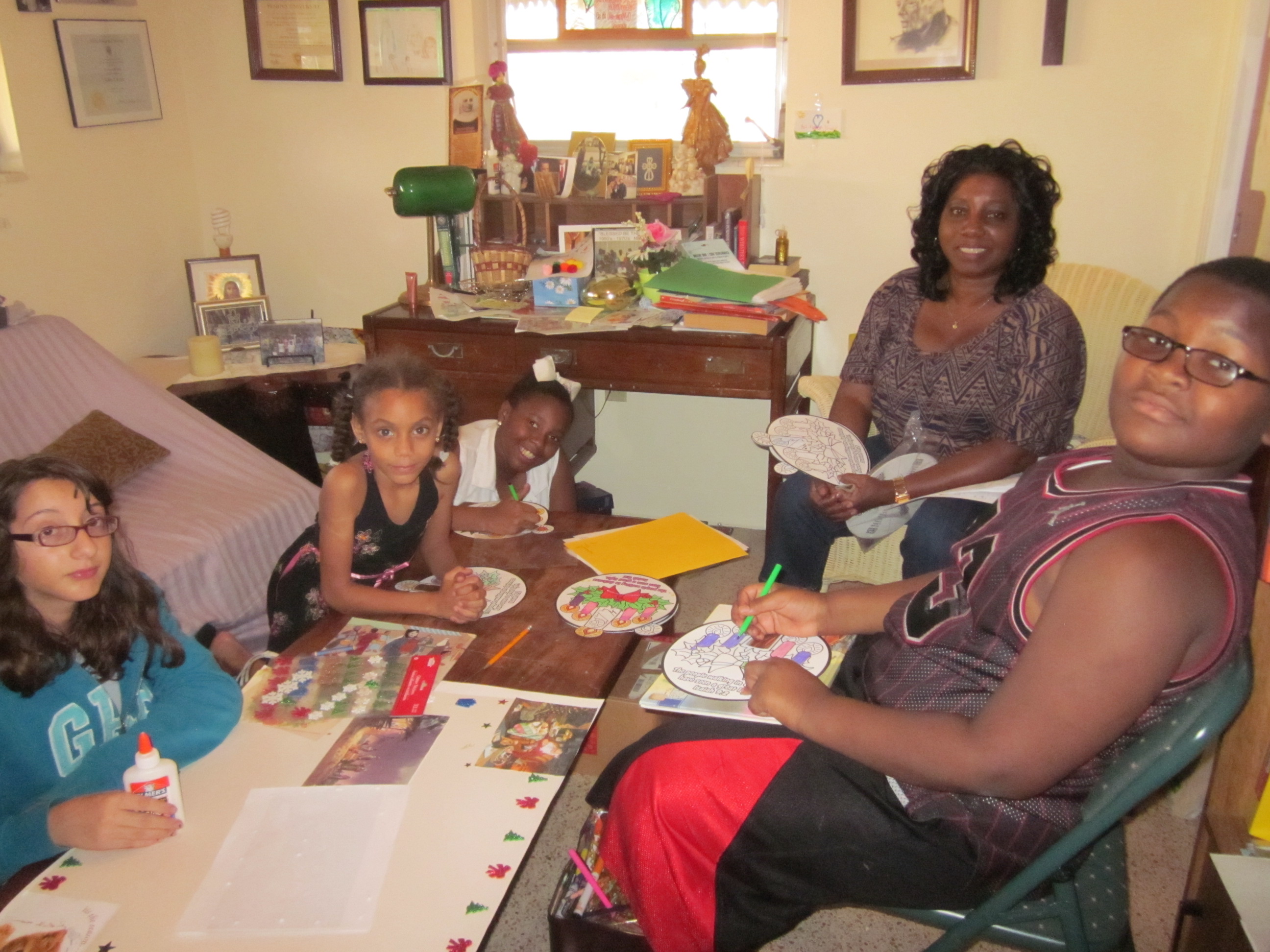
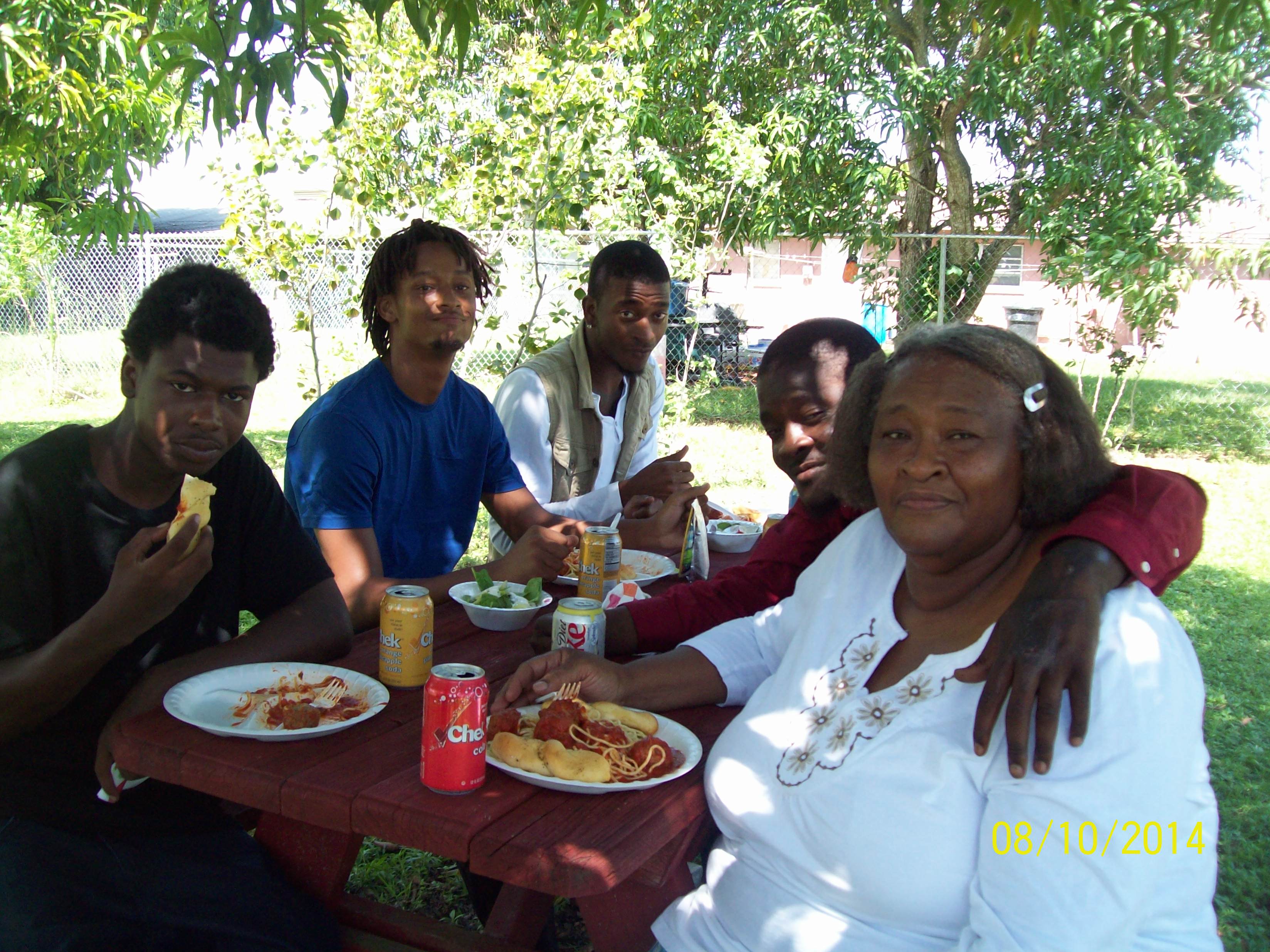
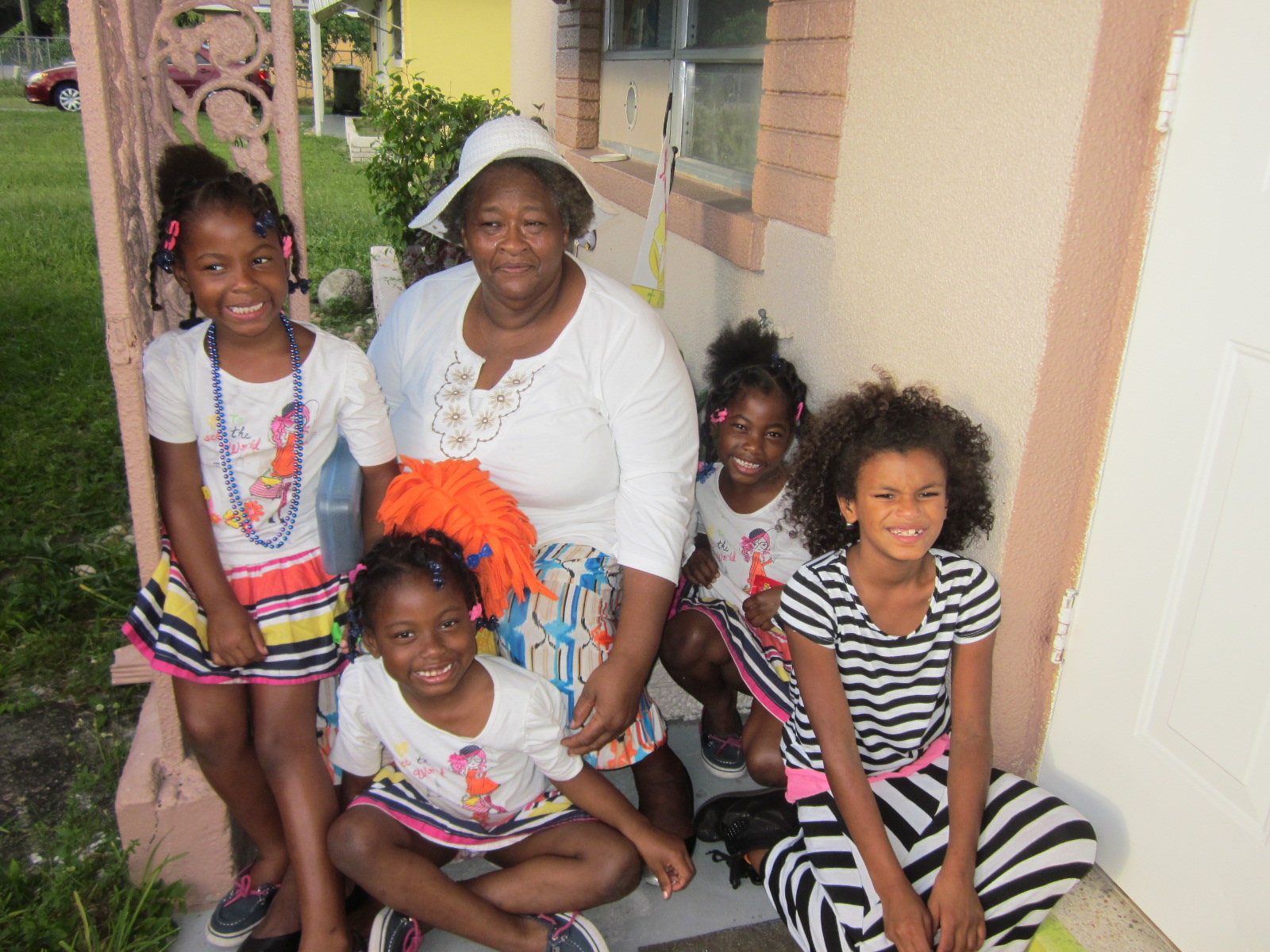
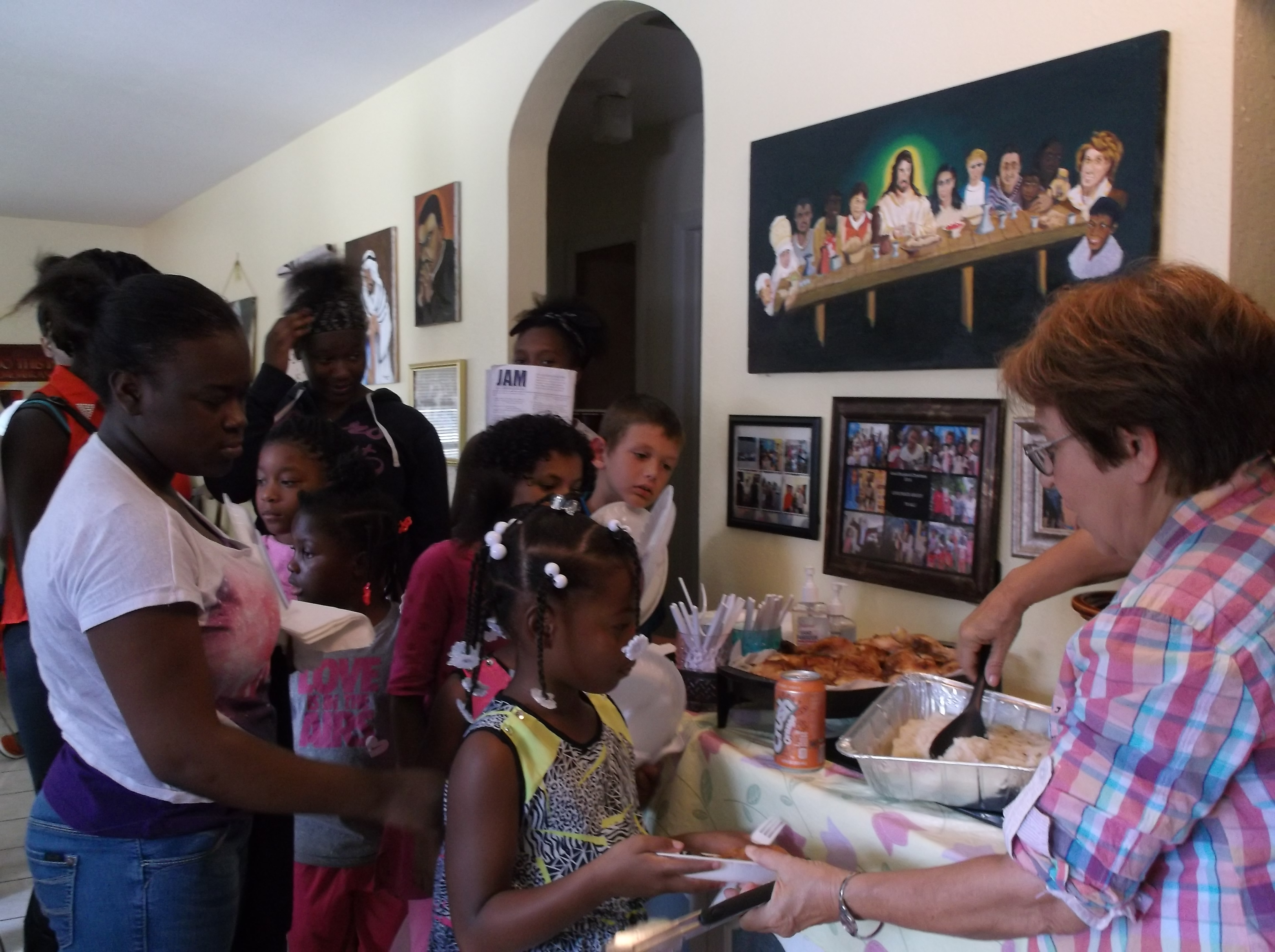
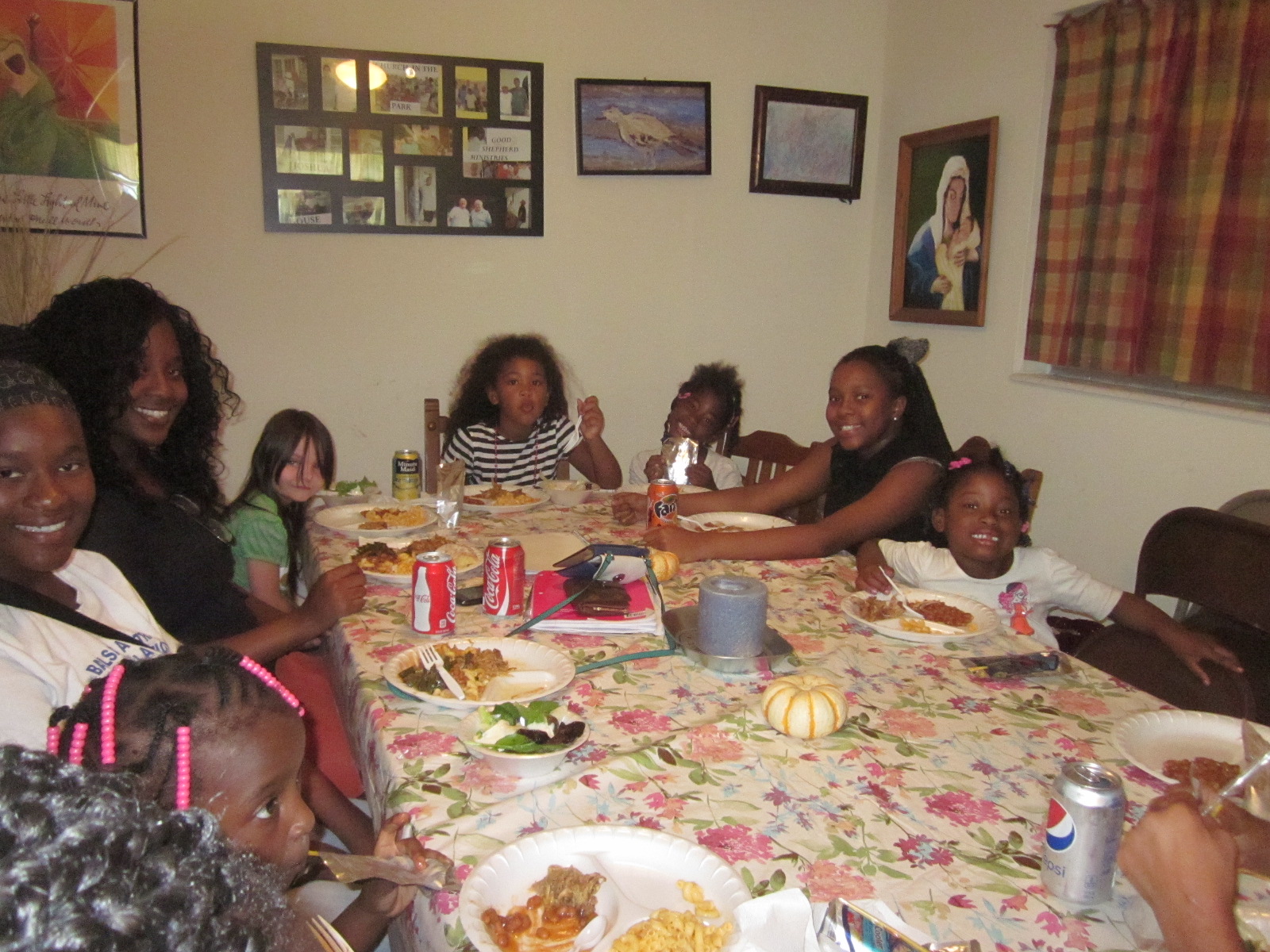
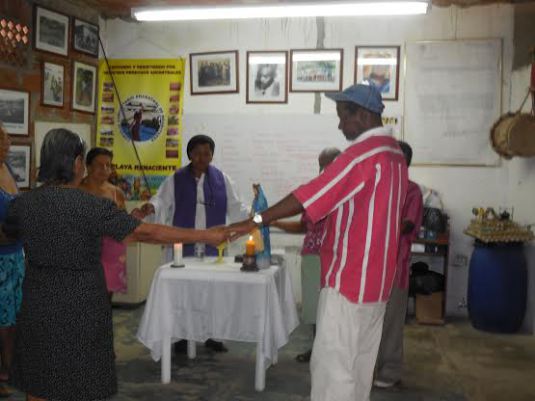
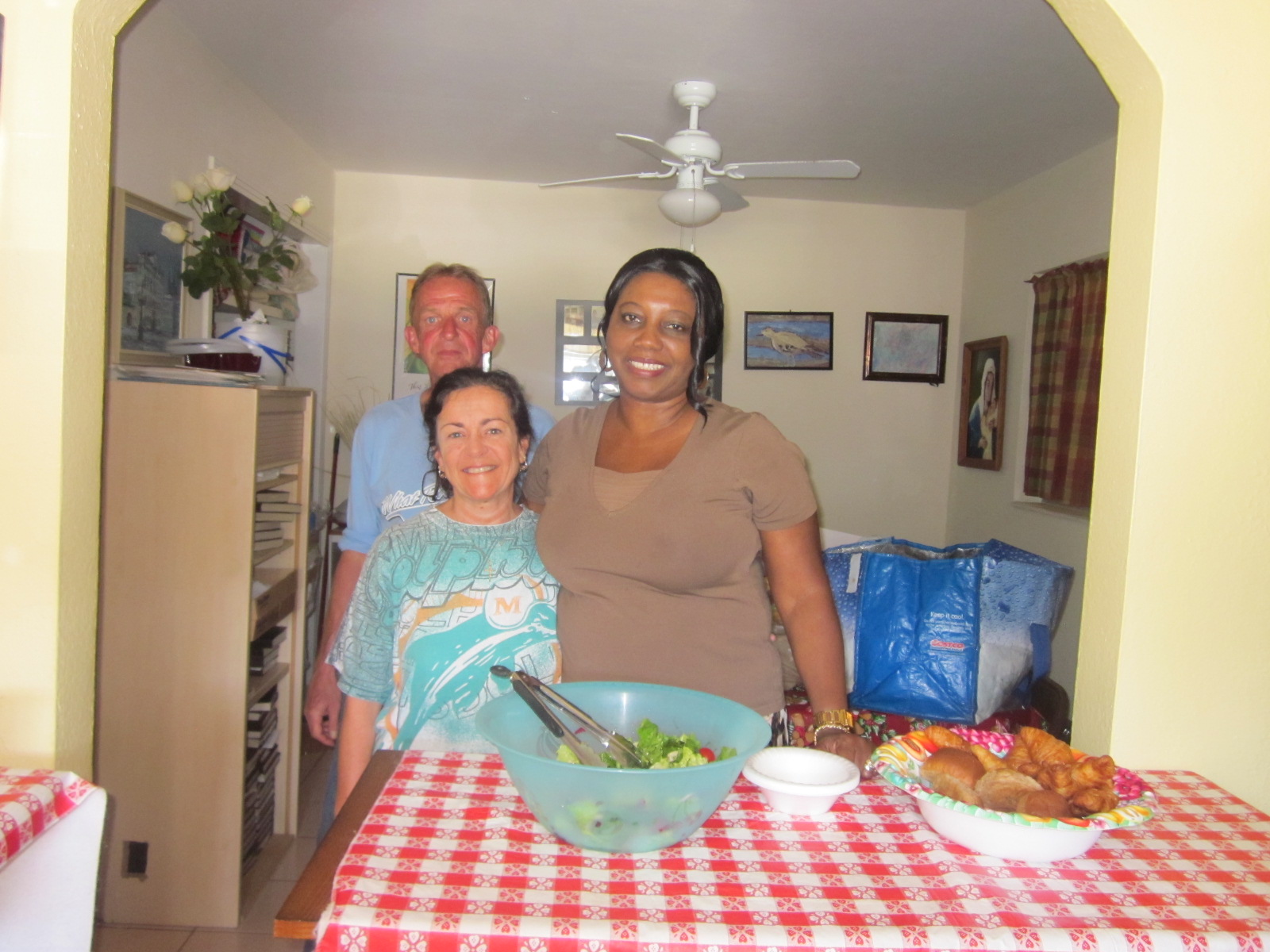
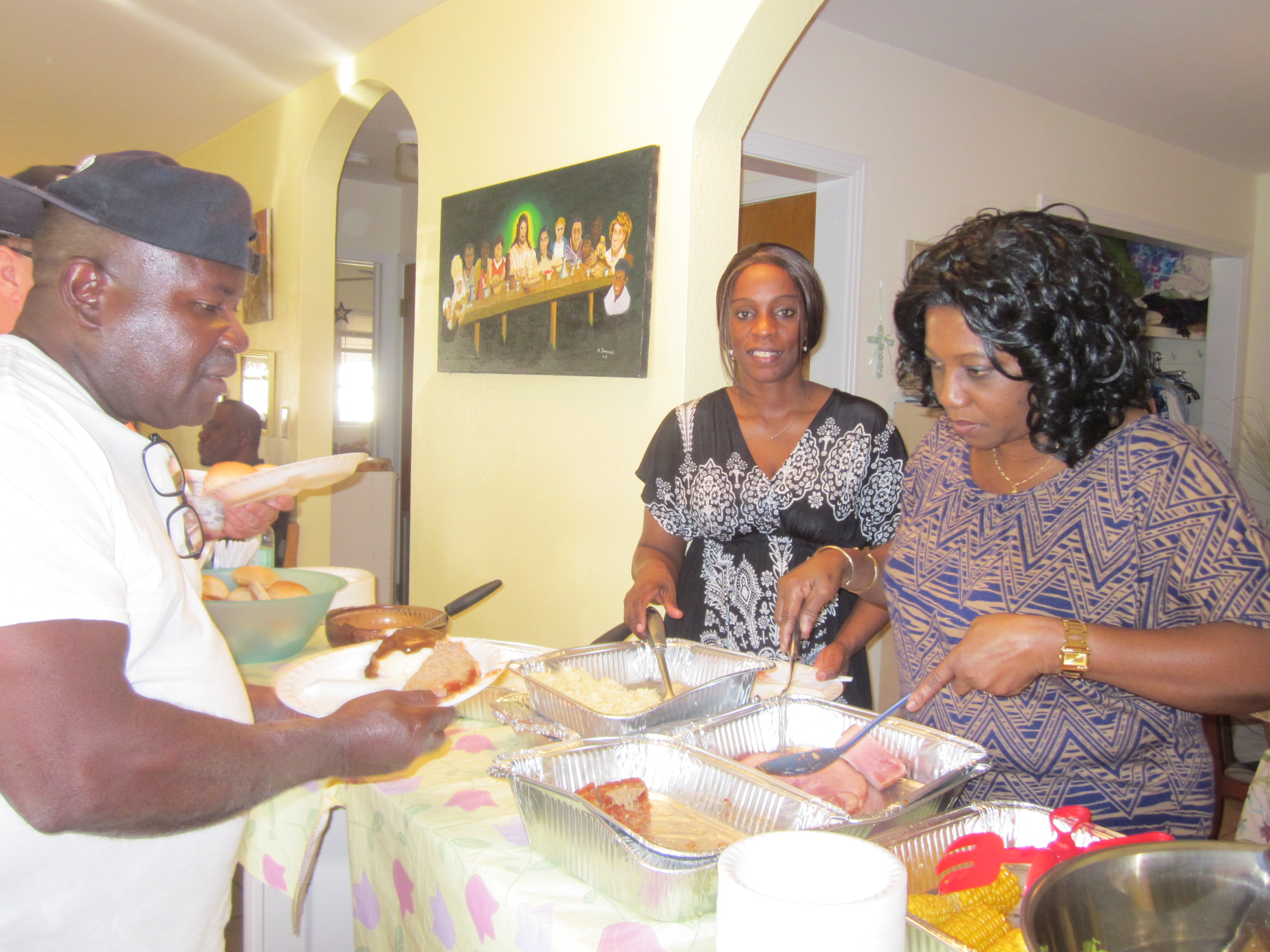
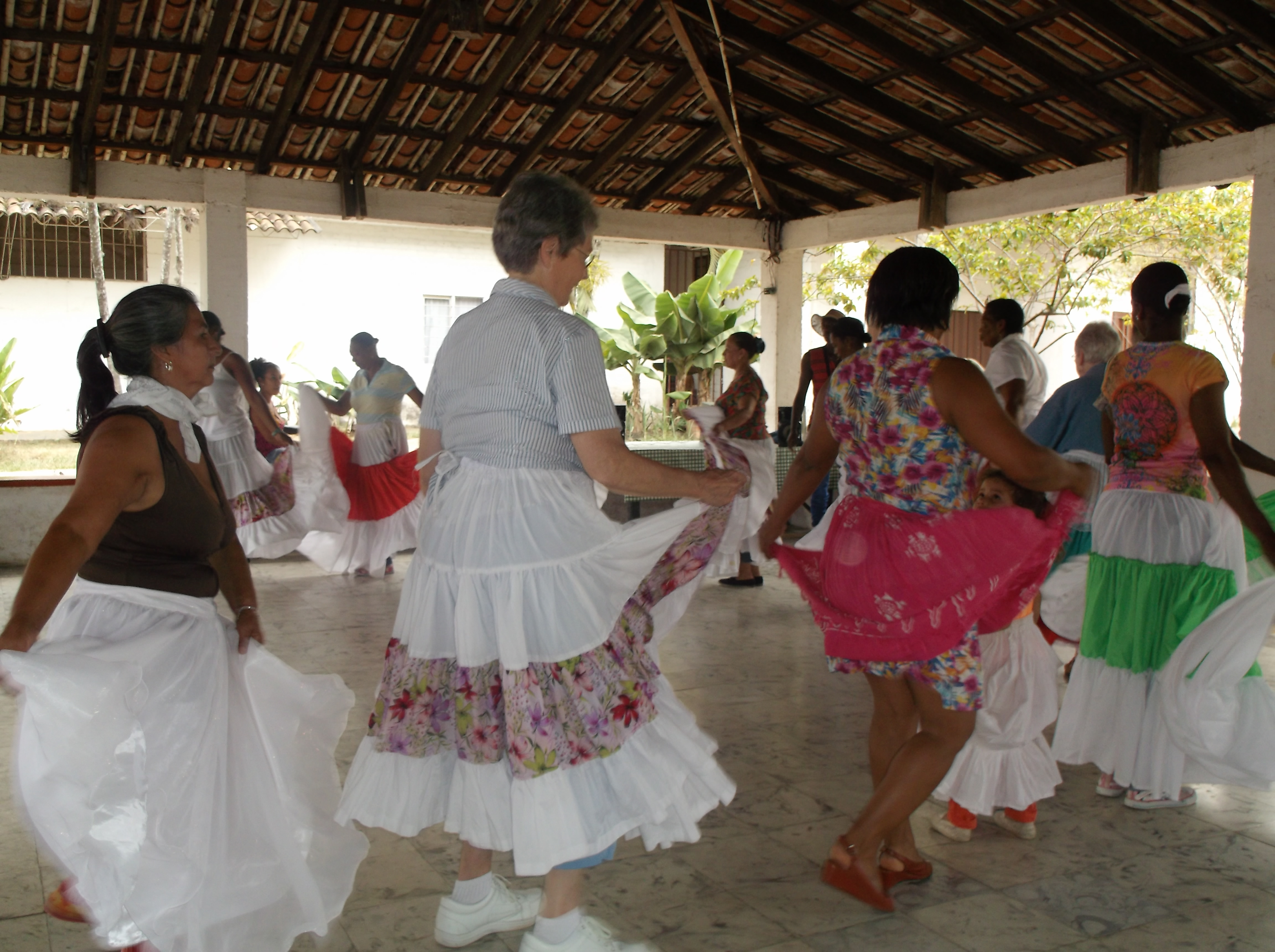
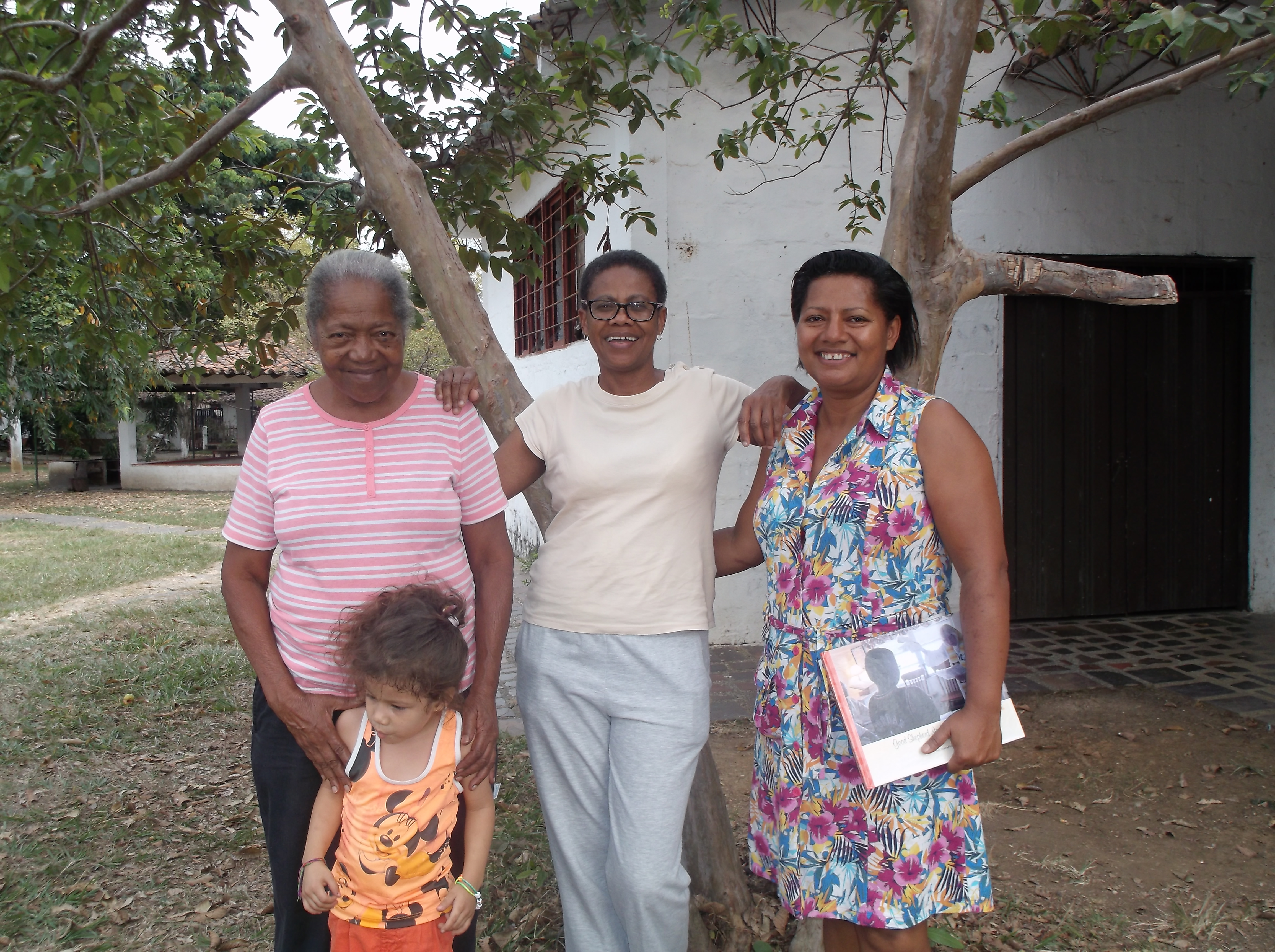
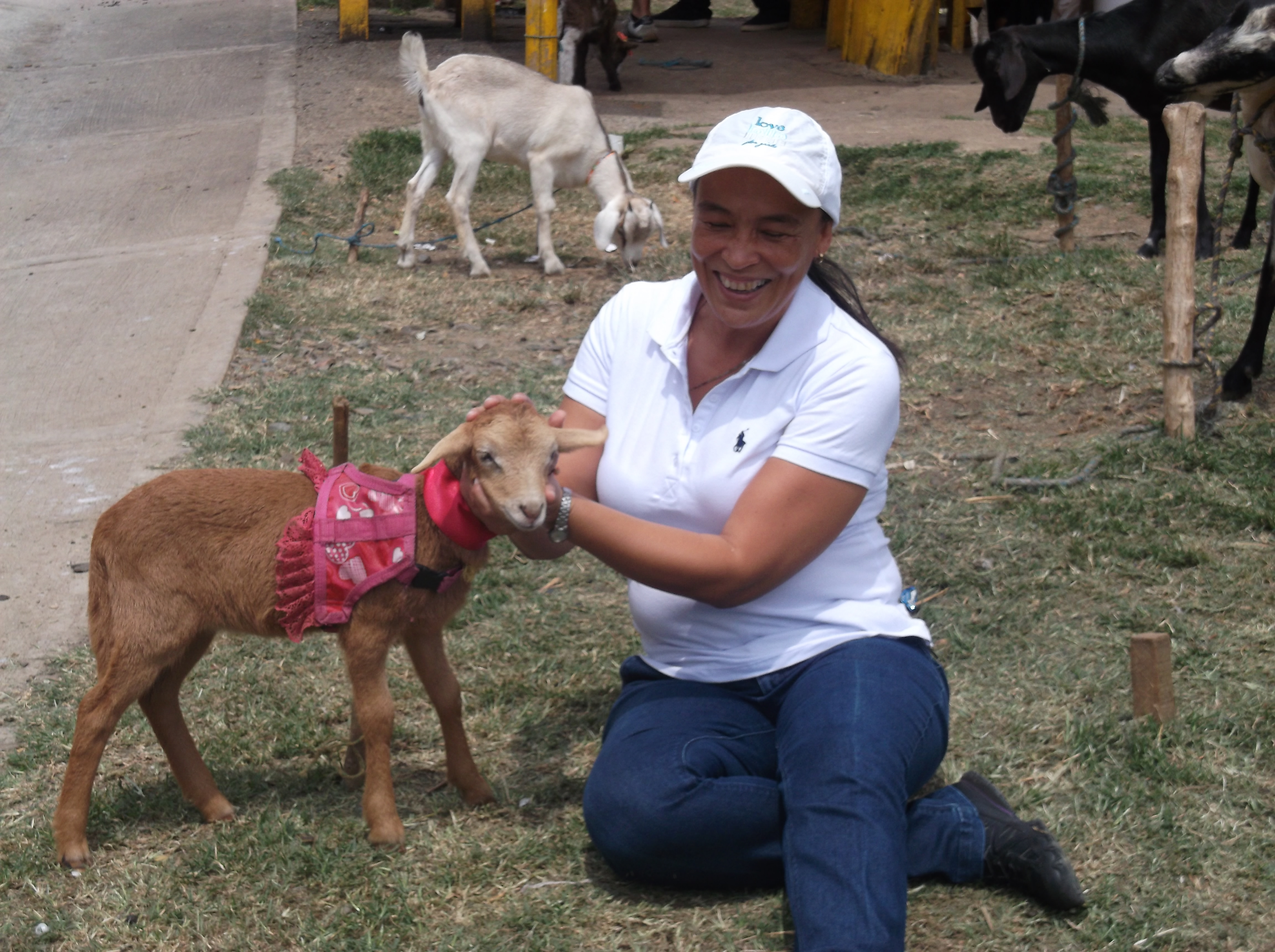
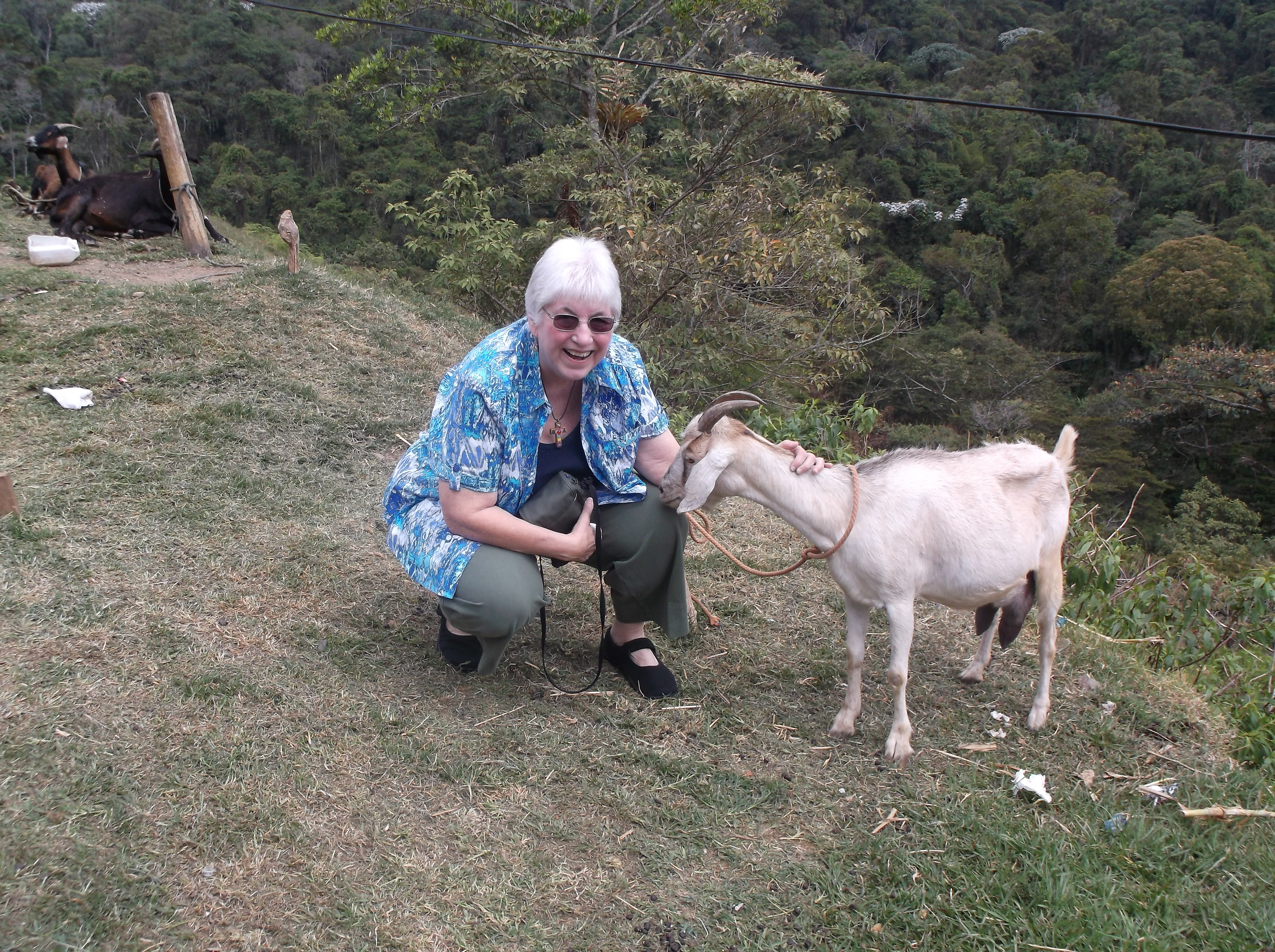
    Our Good Shepherd Ministry is a feeding ministry as we always offer a hot meal after our Mass or Prayer services with our varied members, including the homeless and poor,young and old of Fort Myers.  This meal is for the whole community. Our volunteers since 2007 have been wonderful and many are still with us. Yet, the wider issues of poverty and hunger in the USA and world-wide need our attention and response.

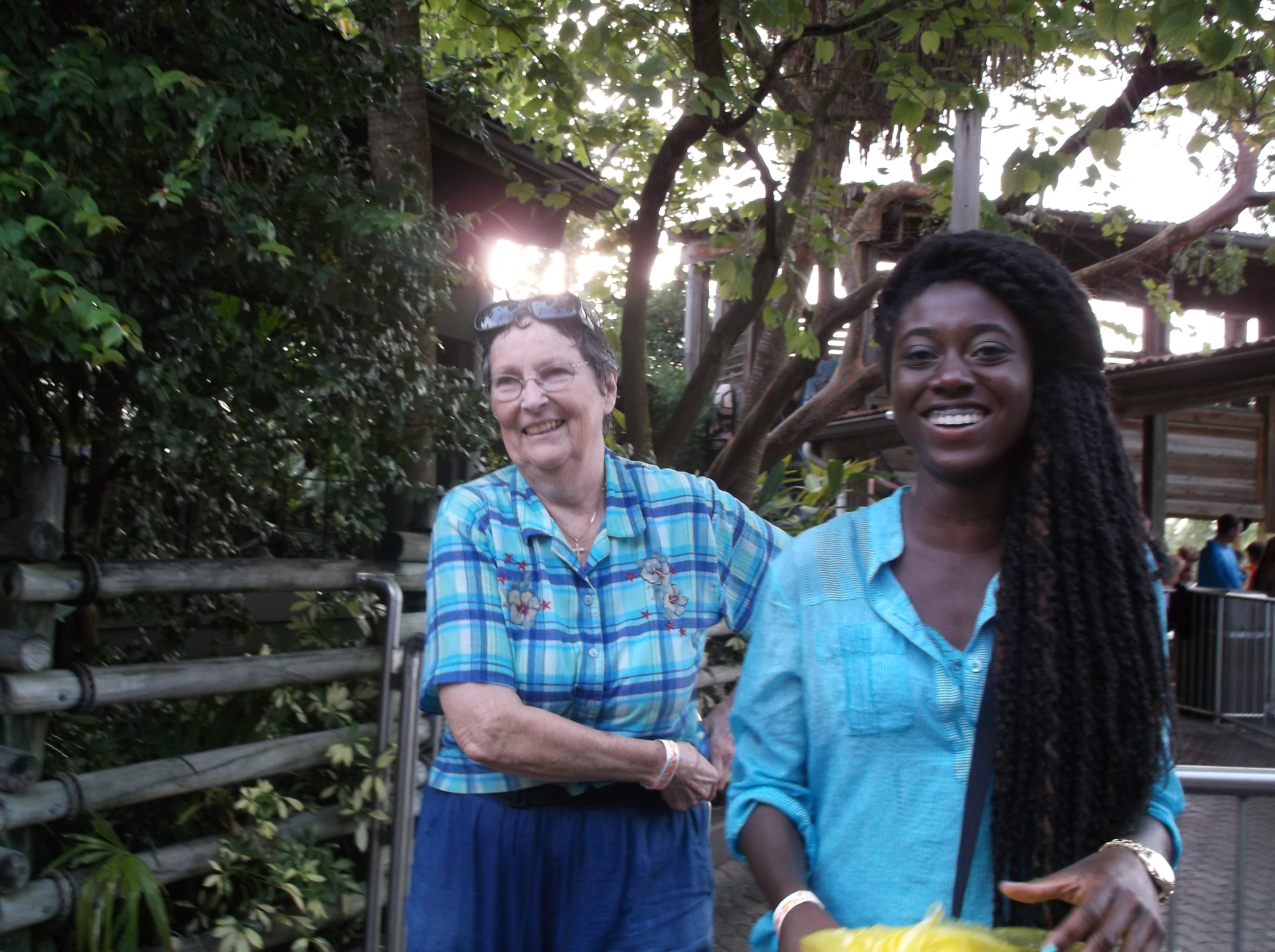
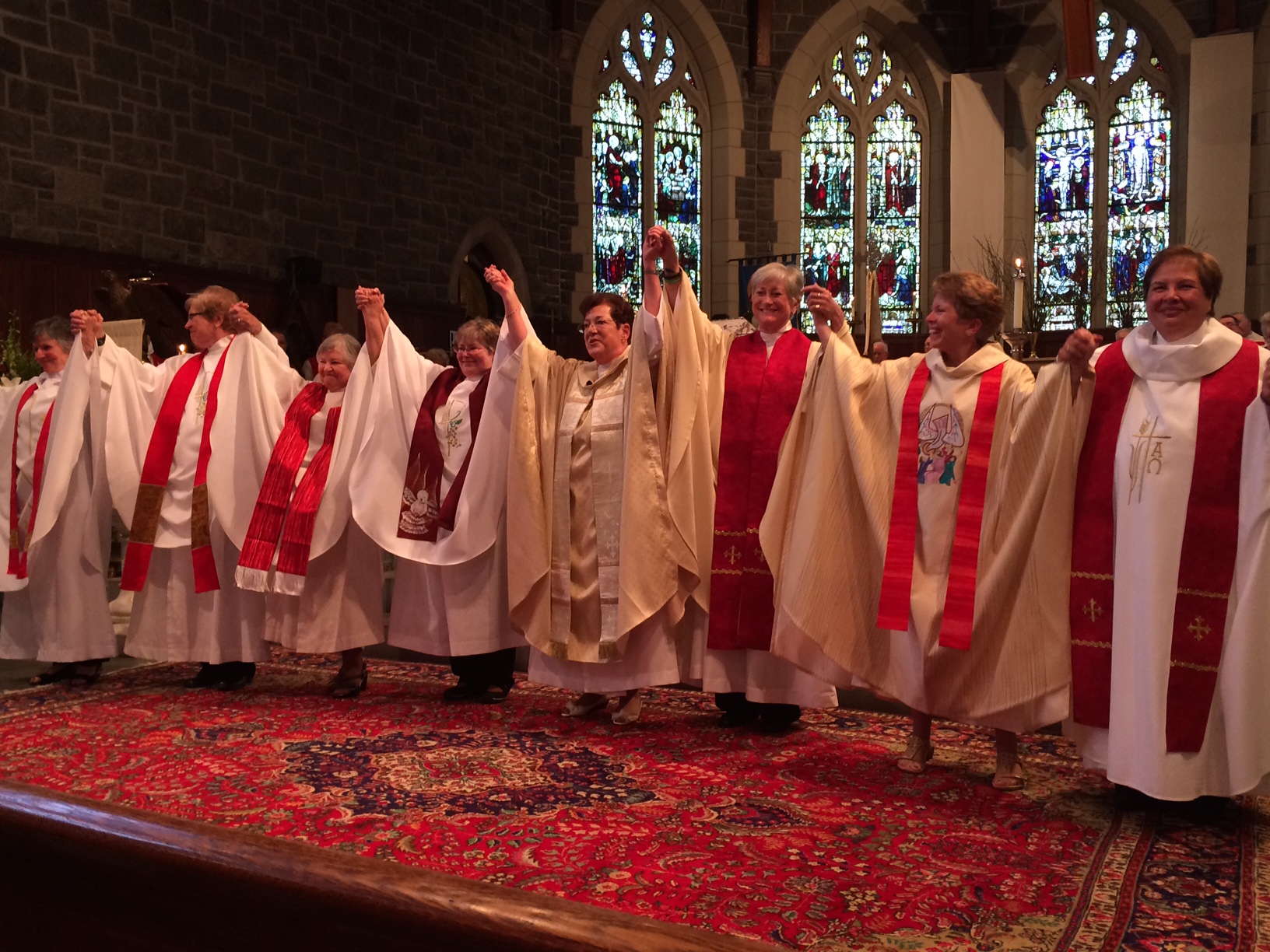
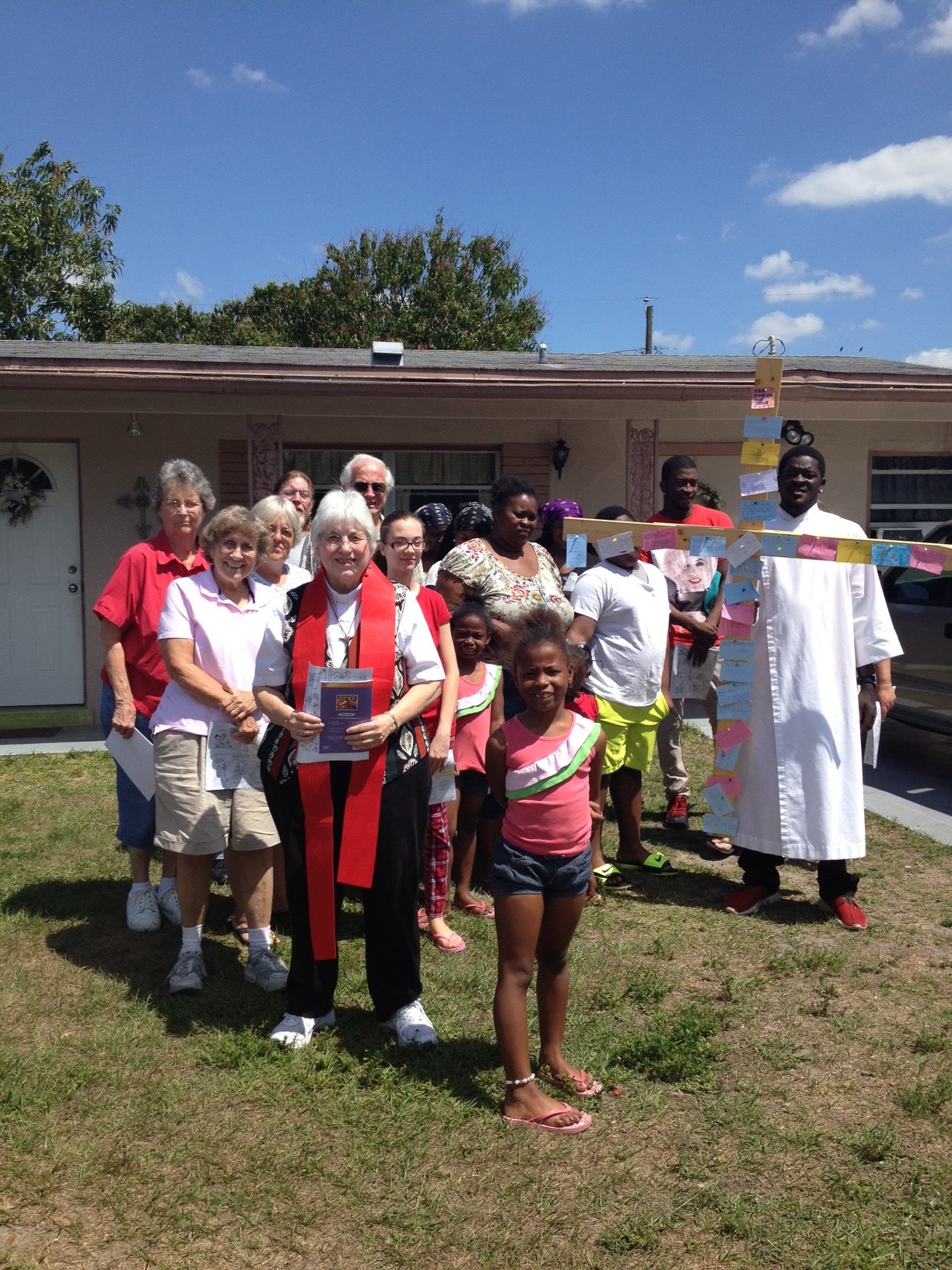
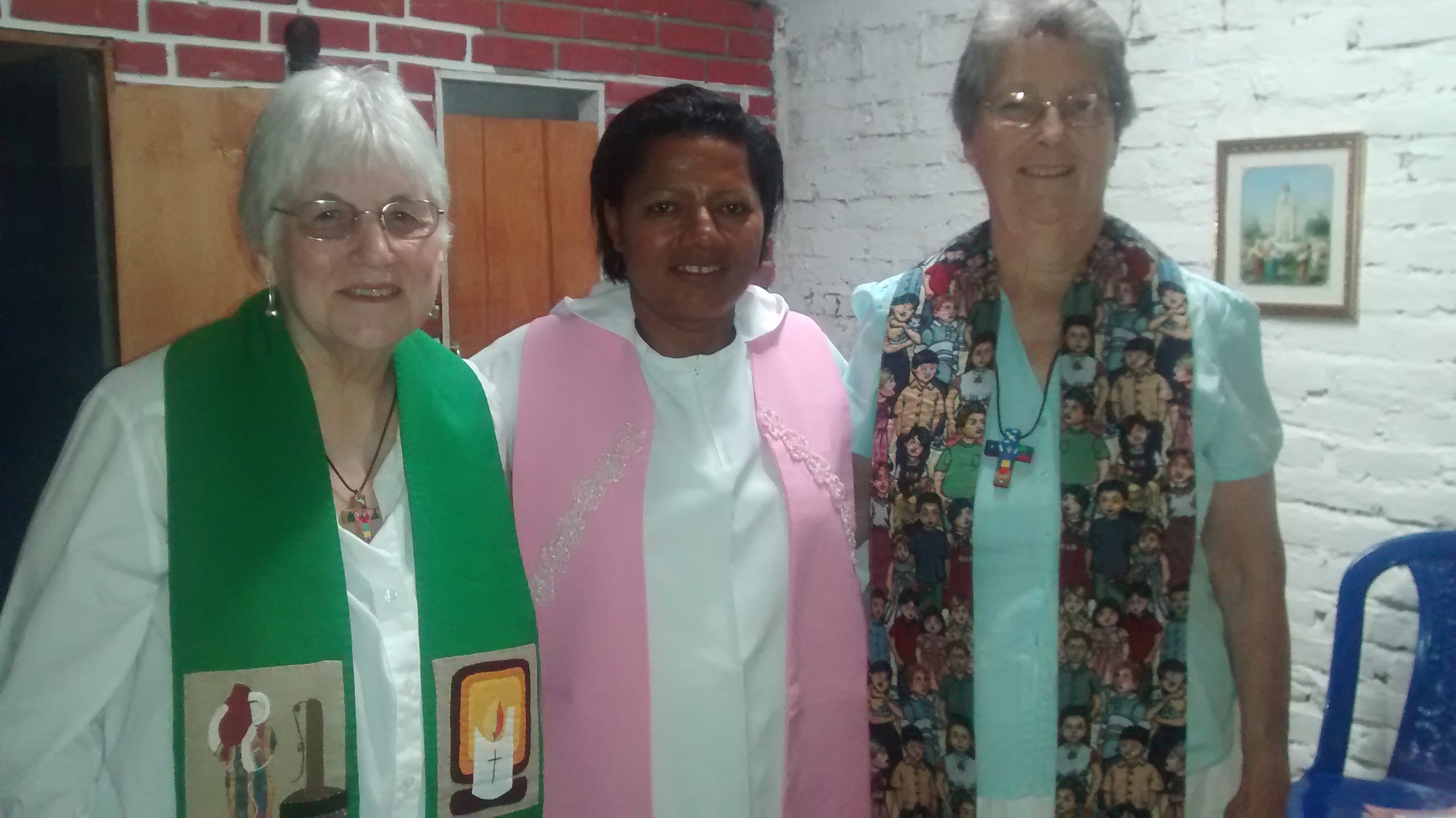
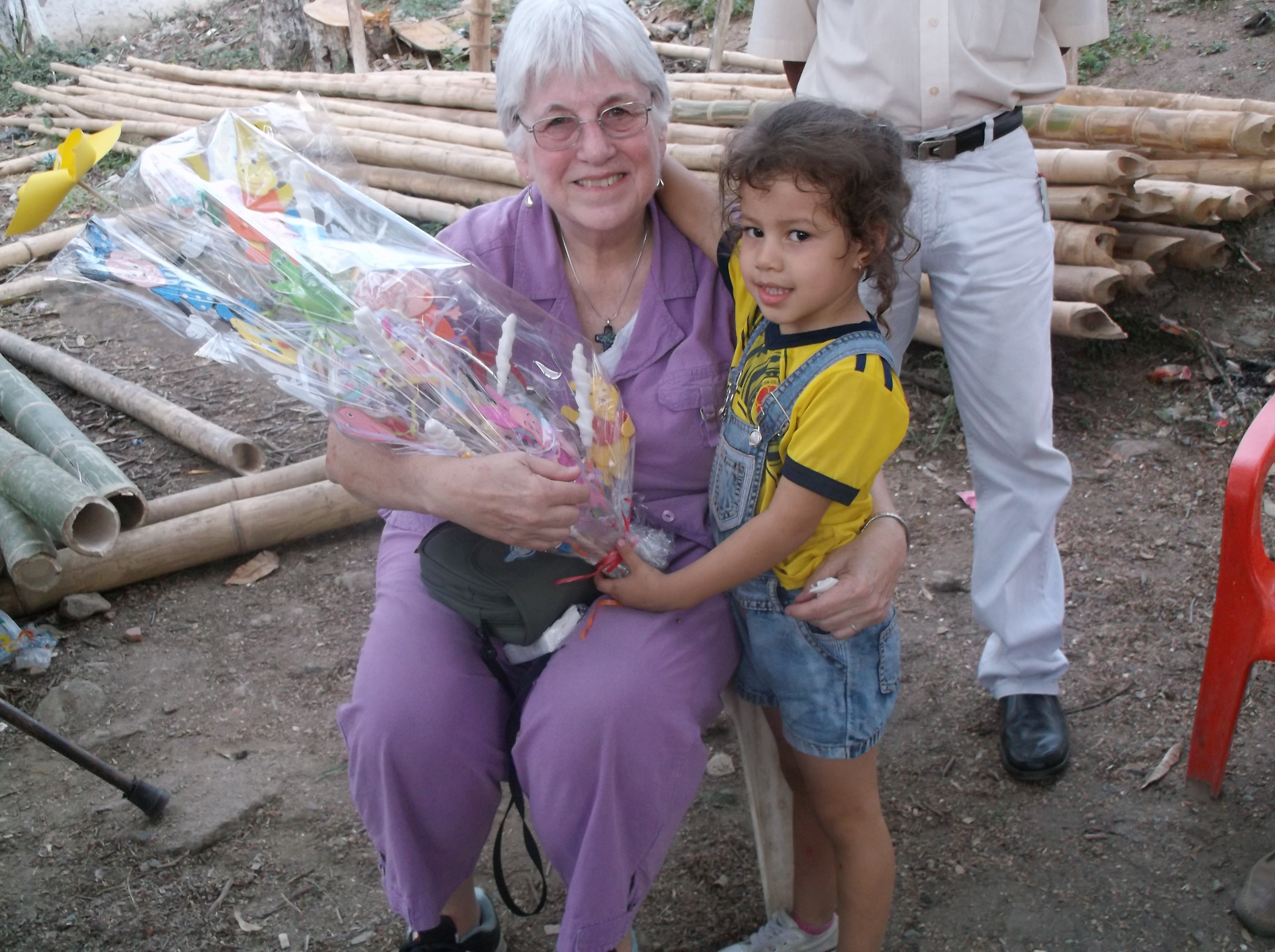
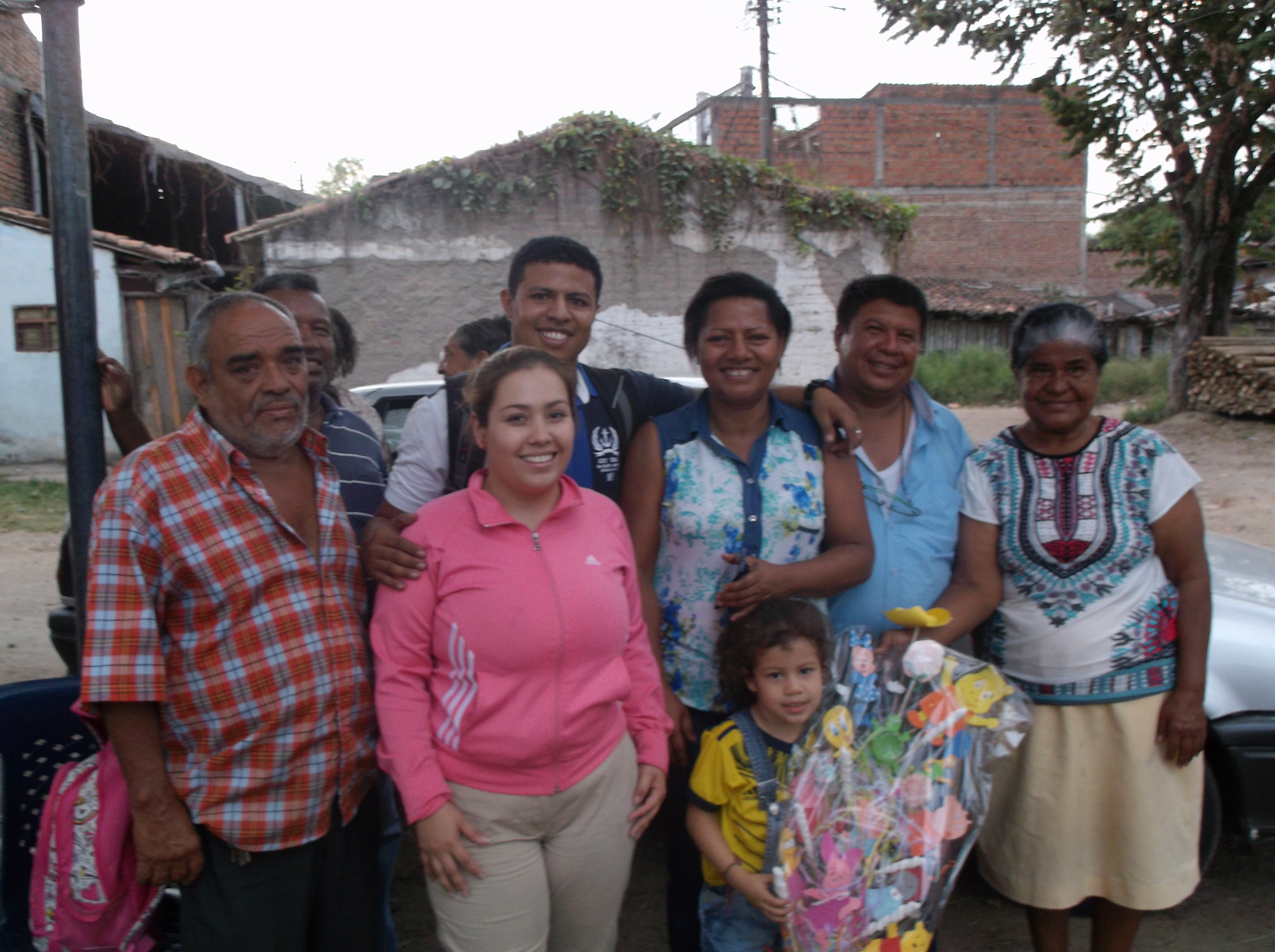
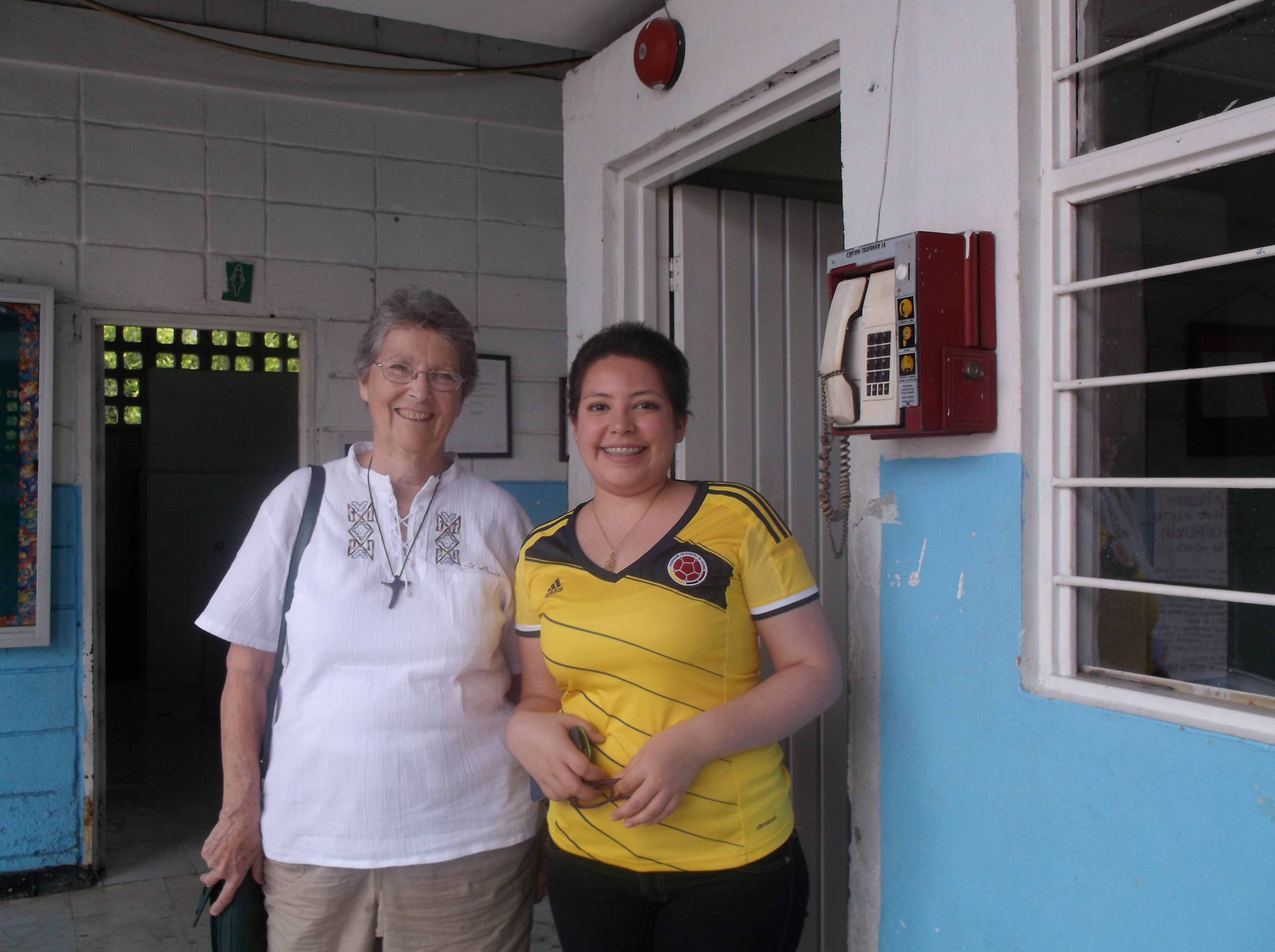
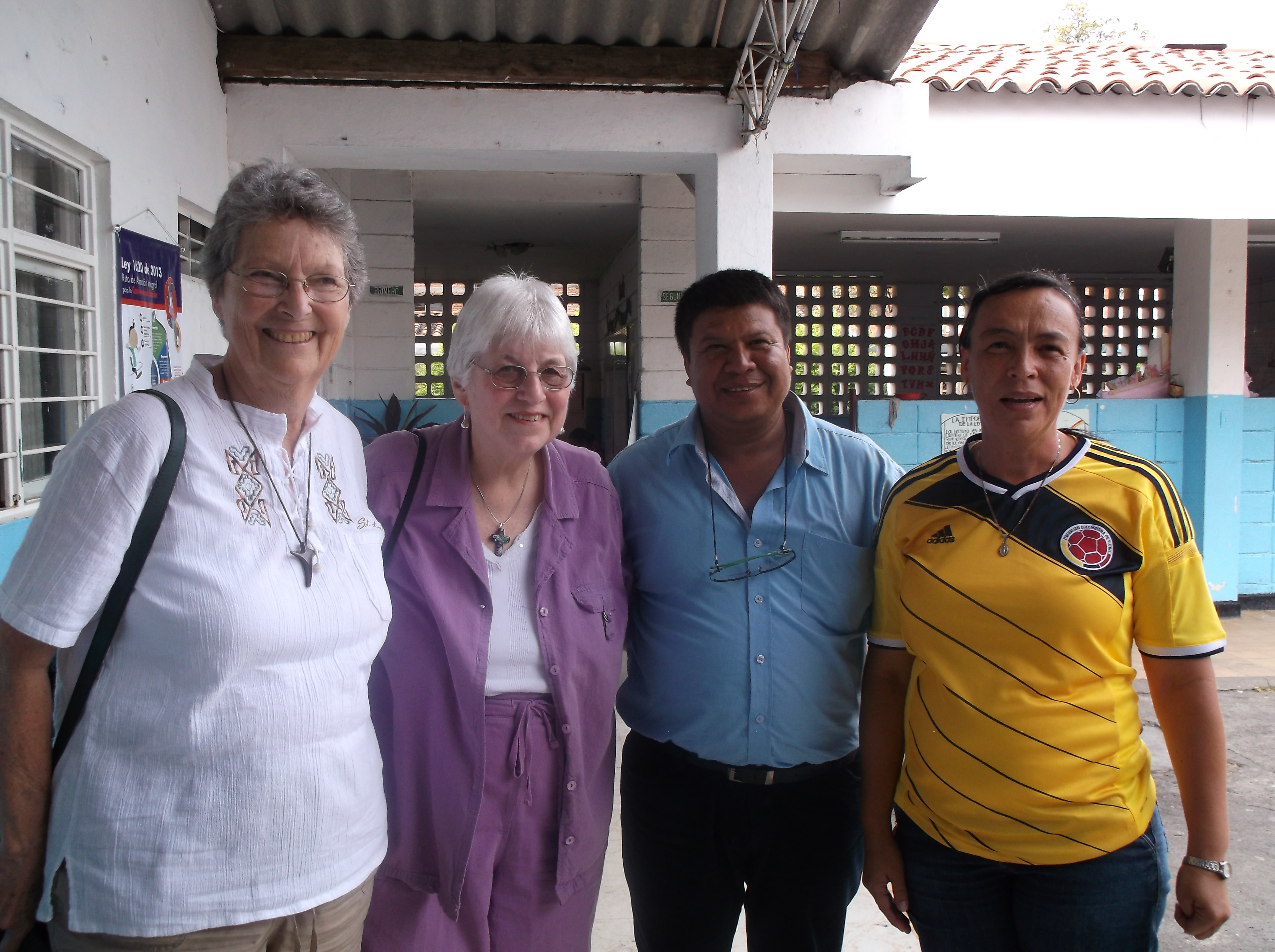
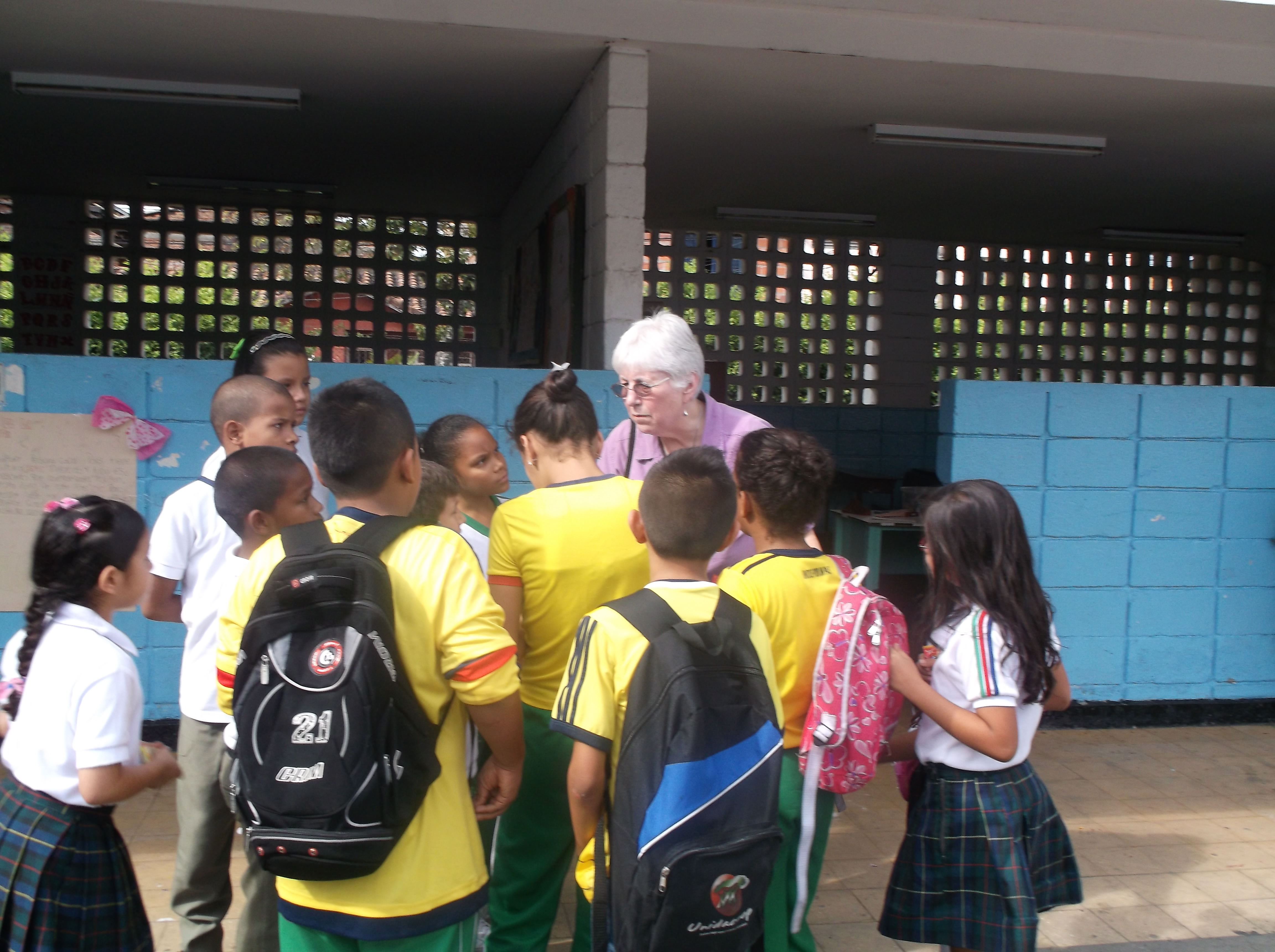
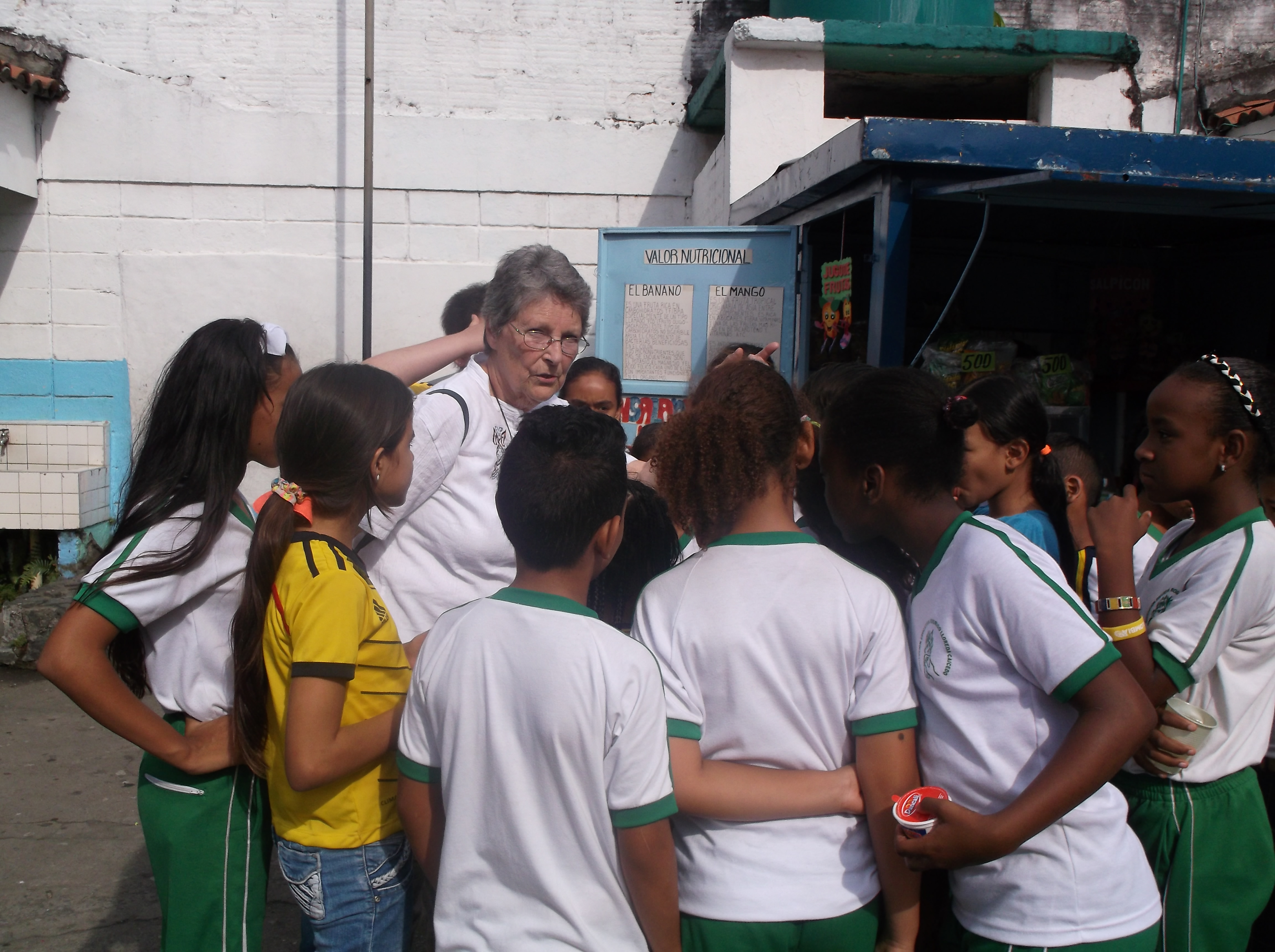
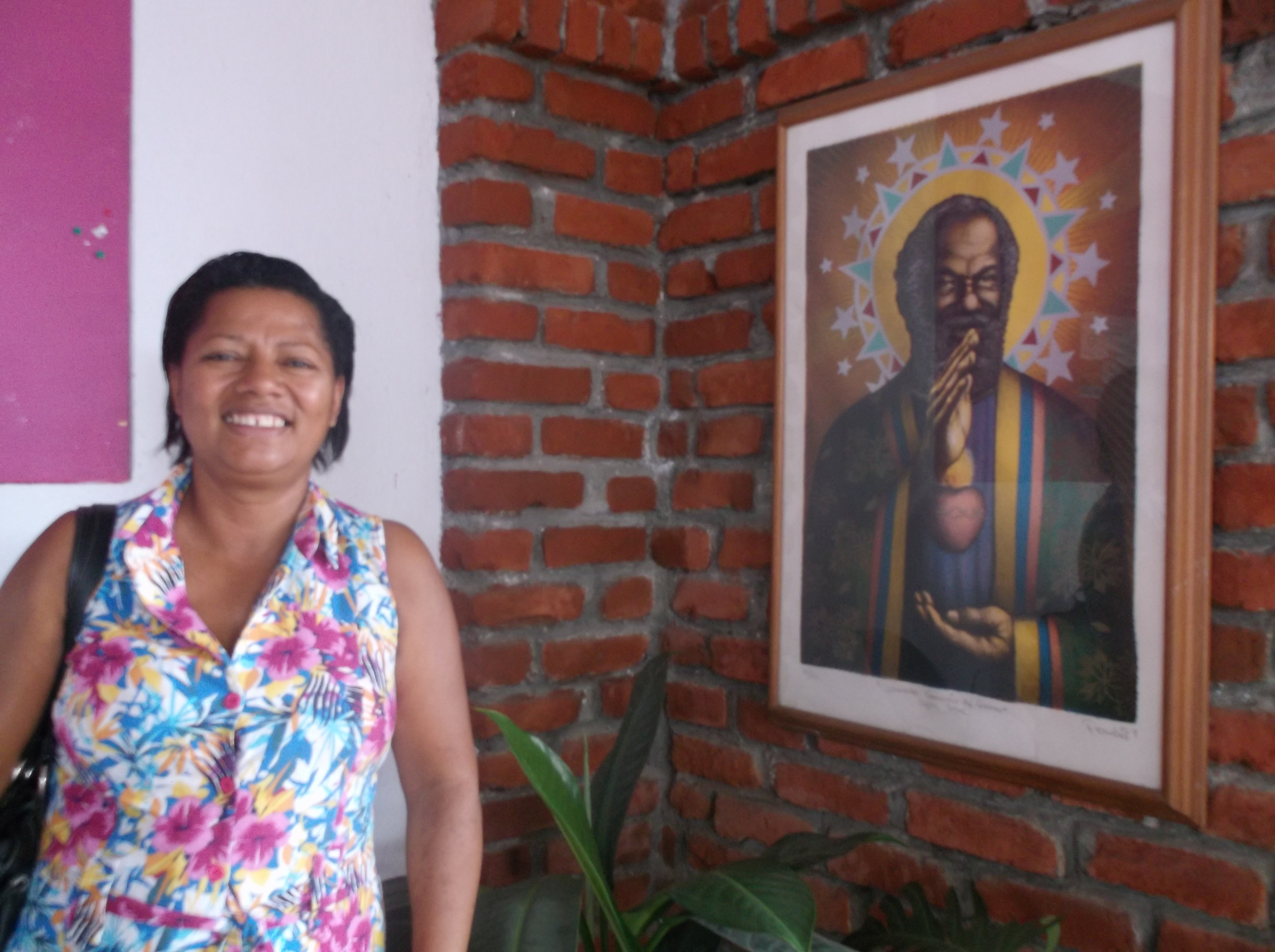
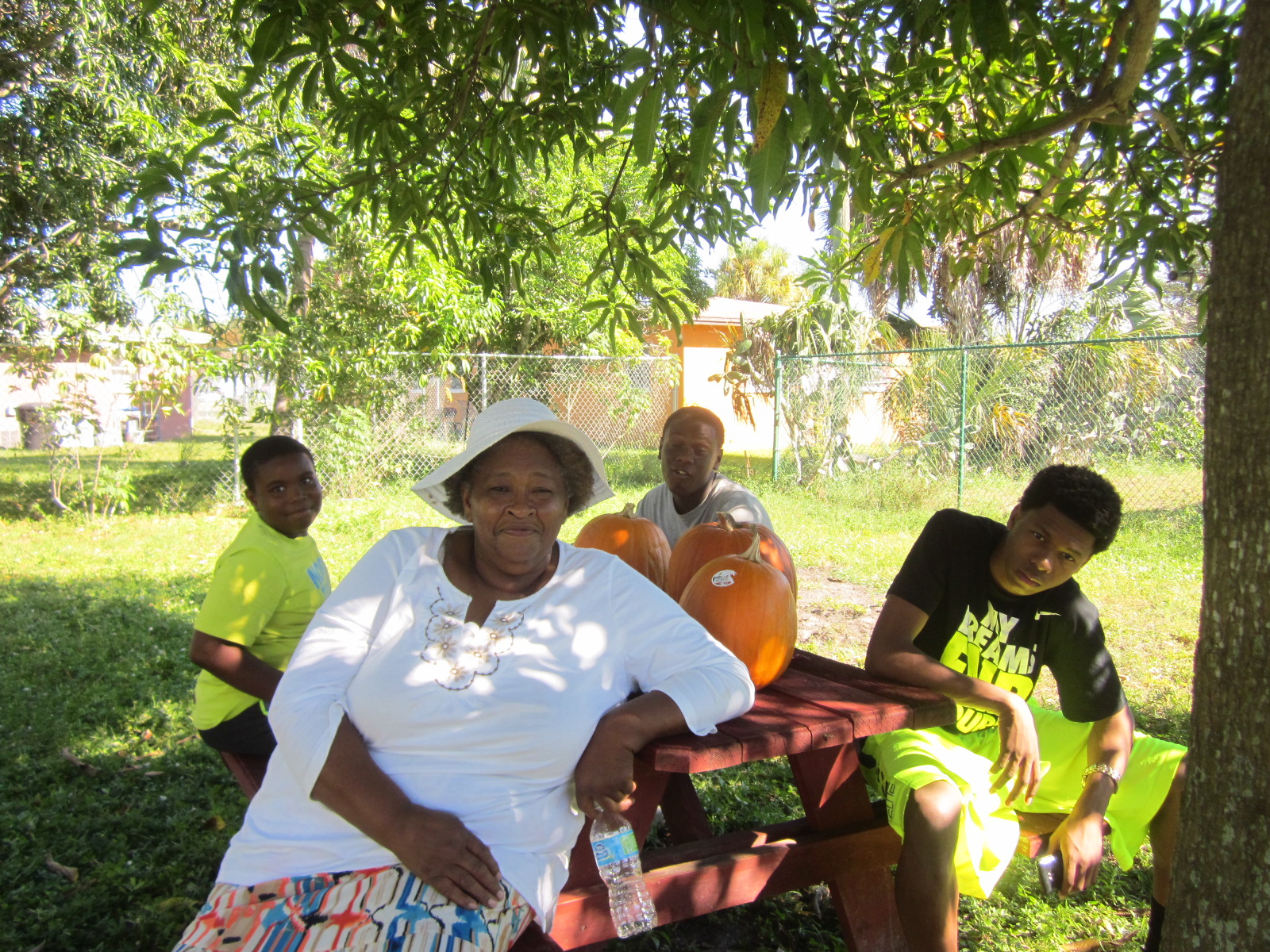
    DSCF0542IMG_0032IMG_0022IMG_0015

    Rev. Roberta Meehan’s Homily

    Homily for the 17th Sunday – Cycle B – 26 July 2015

    2 Kings 4:42-44

    Psalm 145

    Ephesians 4:1-6

    John 6:1-15

    I am entranced by today’s readings!  Truly entranced.  In the first reading from 2 Kings we hear that Elisha is about to distribute what seems to be a paltry amount of food to a rather large crowd.  He tells his servant that the people shall eat and some will be left over.  In the Psalm we learn that the hand of the Lord feeds us and he answers all our needs.  In the second reading we hear that we are all one and that we are to bear with one another in love (a tough one, without any doubt).  And then we have that gospel reading – the one that was foreshadowed in 2 Kings.  Indeed!  THAT gospel reading!  We are called to WHAT????

    It is the story of the multiplication of the loaves and the fishes.  Sometimes this reading is referred to by a variety of other names – such as the feeding of the multitudes.  But, we all know this plot and we all know what happens.  Or do we?  Have you ever stopped to think about this story?  We actually have several versions of this incident in the gospels.  All four gospels include the multiplication of the loaves and fishes.  Two of the gospels (Mark and Matthew) have two versions of the same miracle.  Are all of these simply variations on the same story?  Or did the story take place more than once? DOES IT MATTER???  Or, is it, perhaps, that the message of the loaves and the fishes is so important that it needs to be repeated over and over?

    Let us look at the essence of this parable.  Parable???  You mean it is not a true story?  I do not know about the exactitude of the historical or geographical facts as written in John, though I do know that John’s version is not historically or geographically identical to the other versions.  Each version has historical and geographical variations – slight differences between the way the facts are presented in each of the versions.  Regardless of superficial discrepancies, I do know that the message – regardless of the version – is absolutely true.  (I will let the nitpickers argue about the innuendoes and the numbers of people present, the desert of the synoptics versus the grassy field of John, the number of people with food and the number of fishes and loaves present.  Etc.  It is all irrelevant.)

    I will also let the nitpickers argue about what the outward facts of the multiplication of loaves and fishes is really all about.  For me, I need to delve more deeply into the meaning than simply looking at the superficial facts.  If I look only at the superficial, I see magic rather than miracle.  I see someone removing one fish from a basket and another fish magically appearing.  Same with the loaves.  Remove one and another one appears.  Did the loaves and fishes actually increase in number in some sort of magical way or did something else even more miraculous occur?  And this, I think, is where the essence of this gospel passage lies.  What really happened?  And, what is the application of this in our daily lives?  We can hardly look at a story that appears six times in the four gospels and think it is only a nice miracle story to which we are passive observers.  No way!  We are not passive observers.

    I often wonder about the OTHER interpretation of this gospel.  What if the reason the loaves and fishes multiplied was because when the young boy pulled out his lunch, he offered to share it?  I seriously doubt the disciples strong-armed him into sharing his lunch – though they may certainly have asked around to see if anyone had any food.  After all, they had a potential crowd control problem on their hands!  And what if other people, at the urging of the disciples, also started pulling out their lunches and started sharing them?  And when the lunch was finished, abundance was everywhere because everyone had forgotten to hang on to his or her own lunch.  Everyone shared freely.  And everyone had enough.

    I know.  Many theologians and Scripture scholars have discounted that interpretation stating that that would deny the miracle.  I seriously do not see it that way!  The miracle of sharing and giving is the real miracle everywhere – the miracle that transcends time and space.  It seems to me that that if we follow that particular interpretation of the gospel, we will truly be able to be a part of the continuous multiplication of loaves and fishes.  Remember that we are not passive observers of the gospel!  We are active participants in the gospel message.  Can we reach in our pockets and share our lunches?

    Let us take this one step further.  What if the loaves and fishes – our loaves and fishes – are not necessarily physical food?  Oh, they might be, but then again, the loaves and fishes might represent our time and talents too.

    What if we all freely give of our time and talents?  What if we all freely share our figurative loaves and fishes?  Will we not see a multiplication of good in the world?  We know we will!  We have seen it before.  The scripture message here is almost an ancient version of paying it forward.  We know it works! And not just from the movies.  But we hang on to our lunches, our paltry McFish sandwiches, forgetting that by sharing with love, we are indeed living the gospel.

    Elisha was told that the people would eat and there would be leftovers.  Indeed!  When we give of ourselves, there are always leftovers!  We wonder where it all came from.  We are told to bear with one another in love.  Maybe I do not want to share my McFish.  But, if I love you, I will do just that.  And every time I share, the love is multiplied to abundance!

    I remember a number of years ago when I was in the process of moving, the sweat was rolling down my face and I kept thinking that in a few more hours I would be finished and could be on the road.  But, I didn’t know if I would make it.  There was so much to do.  Suddenly several people shared their loaves and fishes.  No, not real McFishes.  But, loaves and fishes of love and caring.  Their generosity was totally contagious.  My tennis partner gave up something she had really wanted to do just to help me.  Several people appeared out of nowhere.  The temperature topped 100 degrees and everyone kept helping me load the U-Haul.  I kept thinking of this gospel – the multiplication of love.

    The readings blend together.  From the Psalm the Lord feeds us.  From 2 Kings and John we have an abundance of what we need.  And from Ephesians we reach out to one another.

    My prayer with this homily is that we all practice the multiplication of loaves and fishes as we reach out to one another in love and in a selfless understanding of the message of Jesus Christ because we really are all one!

    — Roberta M. Meehan, D. Min.

    Feeding The Hungry           Gerald Darring     (Also in his book To Love and Serve-Lectionary…) 

    The prophet Elisha fed a hundred people with twenty barley loaves, and there were leftovers. Jesus fed about five thousand with five barley loaves and a couple of dried fish, and there were leftovers. That is God’s desire for us: everyone should find food in abundance.

    Today’s reality is different. Every three days more people die from malnutrition and disease than from the bombing of Hiroshima, and every year more people die from preventable hunger than died in the Holocaust, even though we grow enough grain in the world to provide every man, woman, and child with a satisfactory diet of 3000 calories.

    The Second Reading from Ephesians tells us to “make every effort to preserve the unity which has the Spirit as its origin and peace as its binding force.” The problem with the world is its fragmentation; it lacks unity and peace.

    The problem is not with God’s providence, for God has provided us with plenty enough food for everyone, and then some.

    The problem is the divisions in the world that prevent food from getting to people or keep people away from the food.

    God has given blessings to the world: if only we could learn to use those blessings for the benefit of all.

    Since there are so many people in this world afflicted with hunger, this sacred Council urges all, both individuals and governments, to remember the saying of the Fathers: “Feed the man dying of hunger, because if you have not fed him you have killed him.”

    Vatican II, Constitution on the Church in the Modern World
    (1965) 69

    Gerald Darring (liturgy.slu.edu)

  • Lessons of Summer: The Good Shepherd Children Teach Us How to Receive God’s Gifts

    IMG_0071

    There is nothing like running through fountains of water on a hot day. And the very best way to do it is with a friend.   Owen and Jon are full of joy as they enjoy the water park at Lakes Park and also enjoy their friendship.

    IMG_0065IMG_0072

    IMG_0070IMG_0068

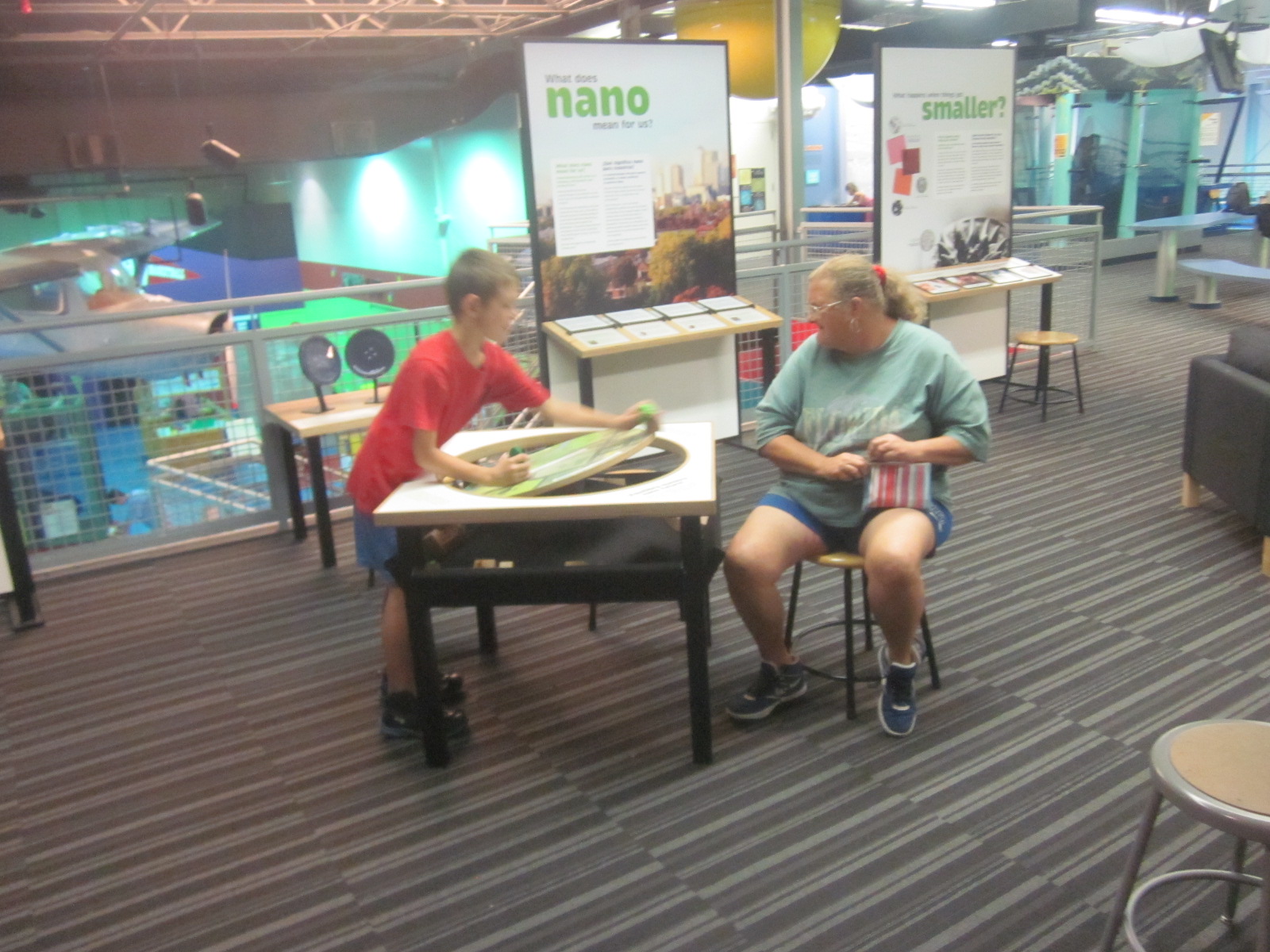
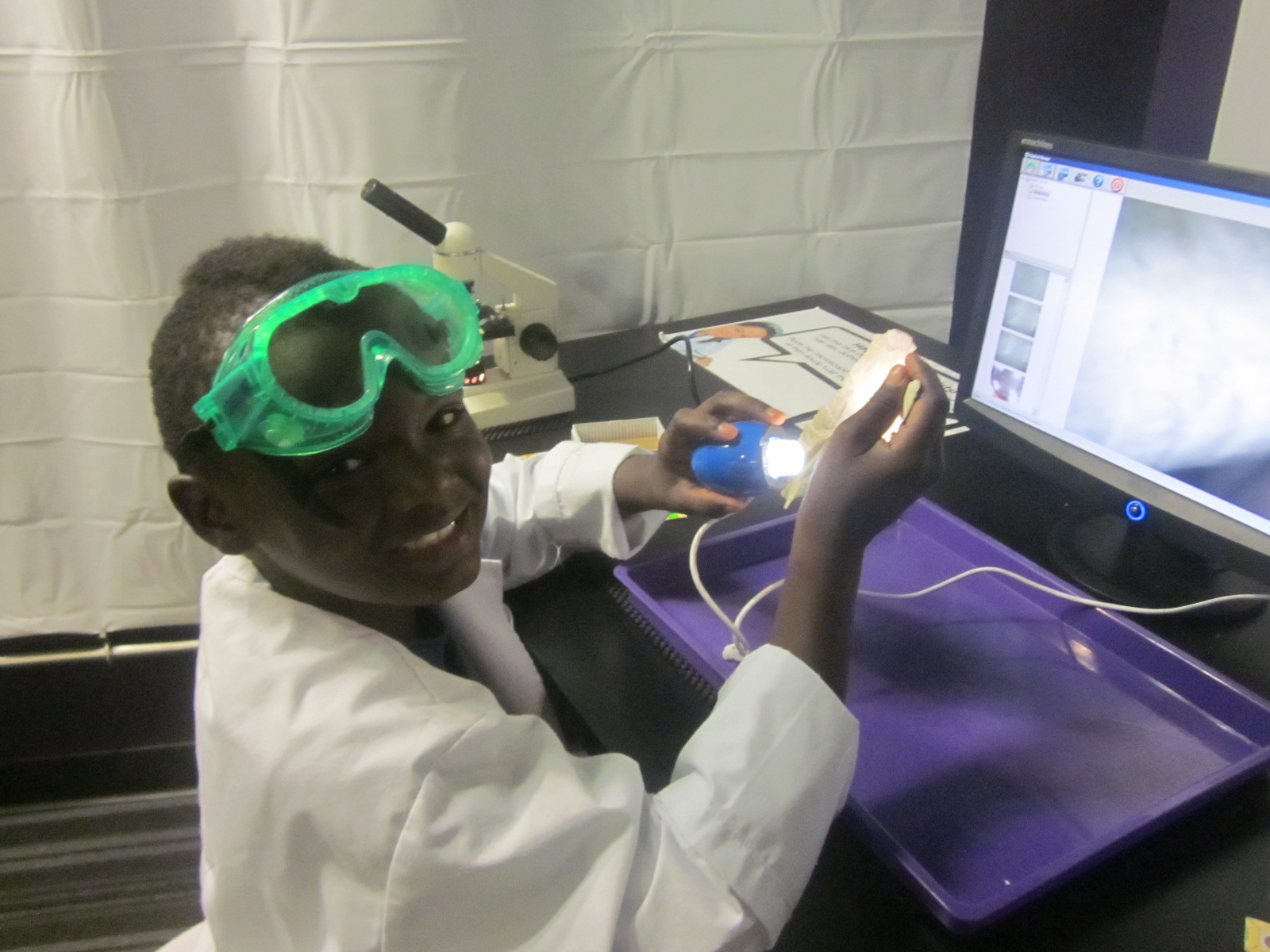
    Owen lost his father to cancer seven months ago. He also moved twice in that period of time. He was truly depressed and negative adding to his mother’s grief. But Owen and his Mom met Brenda who has been a member of Good Shepherd since our feeding ministry in the local Park in 2007,although she moved out of this County for a few years and returned on Palm Sunday . Brenda befriended them and literally shepherds them.  Owen has joined our Sunday school and summer youth program.  His Mom has begun to talk with me about her  grief and difficulties. The change in Owen is obvious to all. It reminds me of what Jesus said about children in several places including Luke 18:16-17. He welcomed the children and admonished the disciples saying that unless we receive the kingdom (kin-dom) of God like a little child we will never enter it. Wow! So let’s look at how our children accept what God is offering-and it is with great enthusiasm and joy. The more love and caring and good experiences in God’s creation they receive, the more joyful they are. IMG_0049 This is Brenda with Owen at our trip to The Imaginarium,where all of the children (and the adults too) become scientists for a day. IMG_0042

    Here Esau and Owen and Jon and Elizabeth are in awe of the creatures in a “touch tank”.  IMG_0020IMG_0019

    Jon , Esau and Elizabeth (and brother Elisha,9, and two smaller ones too) moved to Fort Myers late this Spring so the family could “start over”. This was a hard move as they left close family behind and traveled a long way to get here. Their parents who are working long hours to make ends meetIMG_0040 are so happy that they have become part of the Good Shepherd church.

    Elizabeth,13, completed the school year before coming but she wasted no time in making new friends. DSCF0083DSCF0499

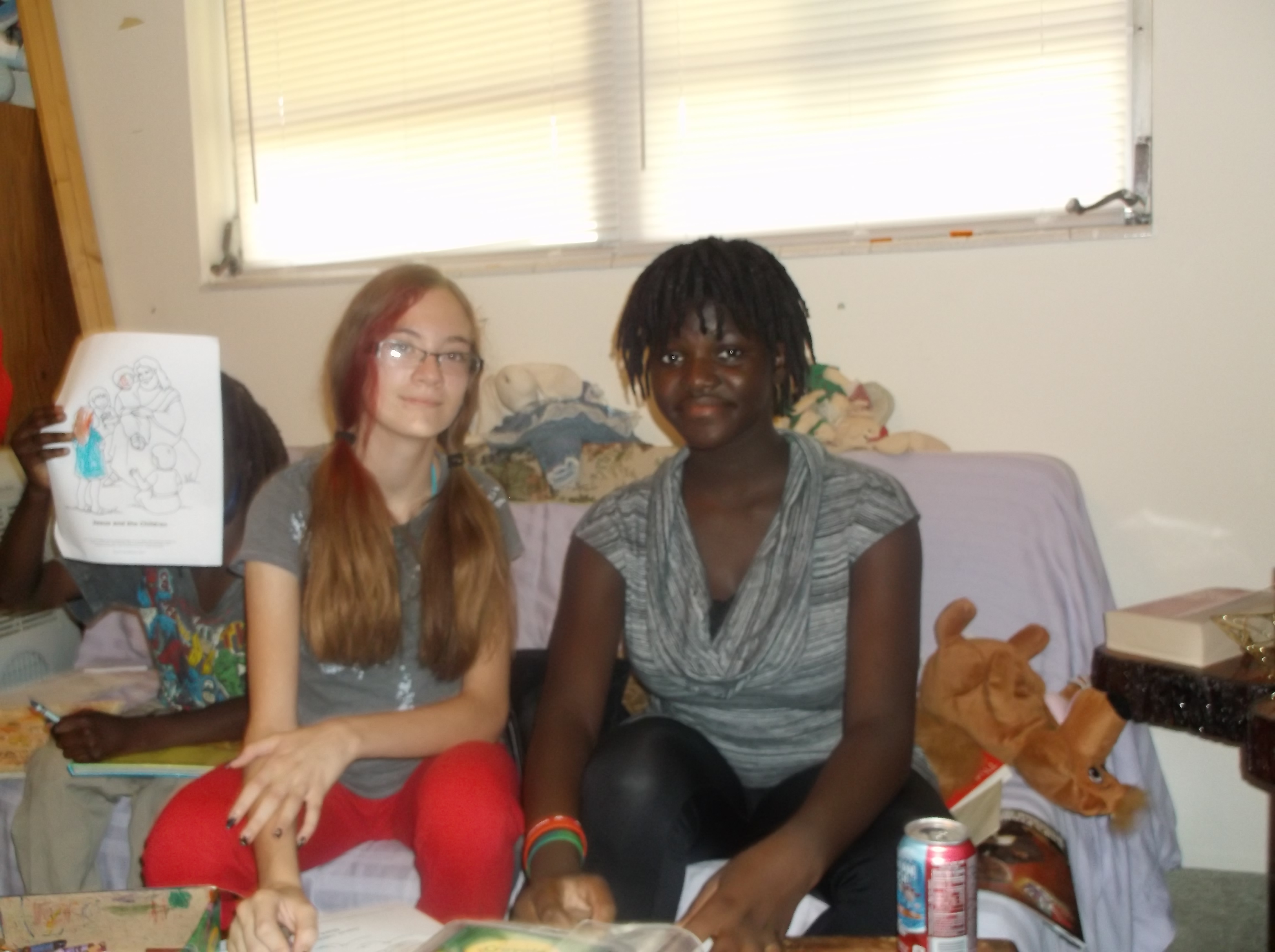
    For her, new friends made all the difference. Aleigha and Elizabeth continue to correspond although Aleigha moved out of State last week. Aleigha’s move was sad for us but we pray that it is good for her and her family. Our other faithful teens, Keeondra, Jolinda and Jakeriya are welcoming Elizabeth into their company. They know what moving is all about too, having moved three times in the last year. The love and caring our kids find at the Good Shepherd is an anchor in lives that are sometimes in upheaval. But this is what they teach us: make new friends-love again!

    DSCF0462 Elizabeth, Jolinda, Jakeriya, Keeondra and our Youth Minister, Efe Cudjoe, as we arrive at our destiny for two days: Busch Gardens in Tampa.

    The girls loved the rides and courageously went on almost every one. The weather was lightly raining on and off the whole time and that broke the heat and also cooled us off. Pastor Judy Beaumont and I were thankful for the rain. But Pastor Judy B. went a big step farther and cooled off on the Congo River Rapids with the girls. This is a river raft ride with steep rapids that result in a thorough soaking. The girls loved it that she enjoyed this ride with them. They wore ponchos which helped a bit, while Miss Efe and Pastor JudyB. did not have a dry spot on them. The Jumbo Dryer helped a little.

    DSCF0486

    DSCF0521DSCF0519

    Visiting the animal habitats by train or walking or seeing the animals in a show was another highlight of the trip. The tigers and the Gorillas were worth a study in themselves, especially this resting mother and baby. The rhinoceros caused much laughter and outright glee!DSCF0536

    DSCF0469

    The peals of laughter made me remember my own church youth group, a group that saved my life as a teen, where we laughed at almost everything we saw. What good medicine laughter is!

    DSCF0481DSCF0485

    The thriller rides were the most exciting and the girls were proud of themselves for trying every one-especially when they learned that when the teen boys made this trip two years ago, they did not go on many rides at all. IMG_0091IMG_0078

    The Busch Gardens experience was magical. IMG_0085

    But most of all, the girls reflected that “the bonding experience” (their words) was the most important part of the trip. Now Elizabeth was in the group and they were happy to know her.  They said that the sleep over in the Motel and eating meals and praying together also sealed the deal. They wanted to stay the whole week. Not so much to go on the rides, but to stay together in this respite from a world that has many demands and changes that are not always easy.

    The only sad part of the summer thus far was the losing of a peer, Aleigha and, moreover, the fact that Miss Efe had to finish up her work with us last Sunday.  She will be doing research for a year in the area of pediatric infectious diseases and assisting with the young patients at the Duke University Hospital. After this year she will enter Medical School. While we will miss her very much we joined in prayer and blessing that our loving God will continue to bless every step that she takes.

    FullSizeRender-01Efe and her family after her Graduation from Brown University. Her sister, Nana, is also completing her residencies in Medical School and her parents, Dr. Joe and Mrs. Pearl Cudjoe continue serving with us at  Good Shepherd. Mrs. Pearl will be the teacher of the very large Junior Class once again. We are praying for another teacher and a Youth Minister. In the meantime, Brenda Cummings and Linda Maybin are assisting with the youngest group. DSCF0543

    This is “Miss Efe” with her class on her last Sunday with us for a while-July 19,2015.

    DSCF0545We love you Miss Efe and keep you in our hearts and prayers.

    We have a few more special  trips to take and we will think of you as we continue to show the world how to experience joy and friendship even in the midst of difficulty-especially in the midst of difficulty. Hooray for our Good Shepherd Family! DSCF0540DSCF0527

    Love and joy,

    Rev. Dr. Judy Lee, RCWP

  • Two RC Women Priests Reflect on Shepherding: Rev. Bev Bingle and Rev. Judy Share for the Sixteenth Sunday in OT July 19,2015

    IMG_0026Readings: Jeremiah 23:1-6,(the bad shepherds) Psalm 23( The Lord is my Shepherd…); Ephesians 2: 13-18 (all have access to our God) and the Gospel- Mark 6:30-34 ” He felt compassion for them because they were like sheep without a shepherd….”

    For this Sunday we are blessed to share Rev. Beverly Bingle’s homily on shepherding along with some reflections of our own. Rev. Bev Bingle, RCWP is the Pastor of the Holy Spirit Catholic Community in Toledo, Ohio.

    In 2003 we (Co-Pastor Judy Beaumont, RCWP and I) took the name “Good Shepherd Ministries” to describe our work with the diverse poor and homeless in Lee County, Southwest, Florida. We continued ministering as Good Shepherd Ministries until my Ordination as a Roman Catholic woman Priest in 2008. Then we developed the Good Shepherd Inclusive Catholic Community church as well as incorporating our Good Shepherd Ministries into a non-profit organization serving the poor and homeless. We now shepherd with more than 60 other shepherds who are members of our church as well as many others who also serve in our ministry.

    We chose the name Good Shepherd for several reasons. In this age it is more popular to choose non-biblical names like Lighthouse or  Elevation or the Bridge etc.for a church, and in Catholicism it is still popular to choose a Saint’s name or that of a central figure in the Holy Family. But nothing seemed to capture our calling and work as well as the Good Shepherd does.

    In Jesus’ language, Aramaic, the word raa,  to shepherd, means many things:  to shepherd, tend, keep, pastor, nourish. Metaphorically it means to lead. Rocco Errico , Aramaic Scholar(…And There Was Light) ,  says ” Clearly the idea is that God guides and nourishes us”. But as people and not sheep we potentially get to choose our guides.  We are shepherded as we trust and  rely on the shepherd, for as human beings our will is a part of every choice we make.

    For the co-pastors of The Good shepherd Inclusive Catholic Community in Fort Myers, in the spirit of the 23rd Psalm,we realize that like sheep in relation to the shepherd we are utterly dependent on God for our lives and for the resources needed to serve others. One does not grapple with survival from cancer(s) or face loss and vulnerability and the many challenges of serving as Pastor Judy B and I  have without deeply knowing that ultimately we rest in the arms of God. Unlike sheep we have knowledge and skills in independent living but like sheep, we are in need of a guide not to get lost along the way or become vulnerable to despair or fear or to predators and false guides.   Our God IS our shepherd. We see God as our shepherding guide and the one who leads and nourishes us. The one who gently guides us and keeps us together but does not drive us like a wild herd of animals. Then, we see Jesus as the Master Shepherd who guides all of the other shepherds treating each one and all of the sheep equally and fairly as demonstrated with his life and message of inclusion and compassion.

    In the Near and Middle East shepherding is still a revered profession and the Master Shepherd is an earned title of honor for extraordinary talent and skill in shepherding.  This is also so for the Chief Shepherd.  We learn how to be shepherds from the Chief Shepherd. As we develop in relationship to Christ and learn his way of love and justice,forgiveness and inclusion we are kept close to our Great Shepherd, our Mother/Father God and we grow in shepherding one another. As noted in Jeremiah, bad shepherds, false teachers, also rival for attention and followings. Rev. Bingle names some of the ways our Church has developed and followed bad shepherds and she also shows how good shepherds can exist along with the bad.

    When we are led by restful waters, we are led into truth. In Aramaic “water” means truth for we cannot live without it-to be led by still water is to be led gently to God’s truths.  Following Christ and in the care of the great Shepherd we are refreshed with the truth of God’s way of justice, love and compassion. And, as the end of the 23rd Psalm indicates, God literally will not let us go. God will pursue us with loving kindness and compassion all of our lives. When I think of this, I gain perspective and strength as a shepherd.  Like Jesus I know it is okay to get tired and to retreat for a while. Like Jesus, I am often disturbed in my retreat and brought back to the endless needs of the flock. But, unlike Jesus, sometimes I grumble and turn away. Jesus just kept on teaching them. He kept on loving them. He kept on shepherding them. No matter what. Our ministry could use a few more co-shepherds. But we pray that , like Jesus, we will meet everyone who comes to us with compassion and loving kindness as we walk the talk beside them. Amen. Rev. Dr. Judy Lee, RCWP-East, Co-Pastor Good Shepherd Inclusive Catholic Community, Fort Myers.  IMG_0010IMG_0012

    Rev. Beverly Bingle’s Homily

    That Jeremiah reading really hits home, doesn’t it?

    We’ve had a lot of experience of bad shepherds in our lifetime.
    In our church we’ve seen, among other things:
    Pedophile priests and cover-ups by bishops and popes.
    Investigation and censure of the U.S. religious sisters.
    That crazy birth control encyclical, Humanae Vitae.
    Rejection of Vatican II reforms
    and excommunication of people
    who embrace the reform message.
    When I hear the statistics about the decline of Christians
    and the rise of the “nones”—
    people not affiliated with any religion—I
    don’t wonder why it’s happening.
    I’d be one of those “nones”
    if I had to rely on those bad examples
    of our institutional Church’s moral leadership.
    It’s not that our church doesn’t have any good shepherds,
    but the experience of too many people in the pews—
    where the rubber hits the road—
    often is disappointing and disillusioning.
    Not all pastors are good shepherds.
    __________________________________
    By contrast with Jeremiah,
    the picture painted in the letter to the Ephesians
    strikes us as idyllic:
    unity and reconciliation of all of creation through the Church.
    It’s helpful for me to remember
    that this letter circulated around 62 AD,
    before the destruction of Jerusalem
    and the subsequent split between Jews and Christians.
    The letter’s clear hope for peace was dashed then,
    but it is revived generation after generation.
    The letter gives us hope when in its assertion
    that “All are members of the family of God.”
    ____________________________________
    But we don’t always act like we’re all members of the family of God.
    Here in the land of the free,
    separate and UNequal
    are written into our laws and customs and lifestyles.
    Our institutional church has spoken strongly
    against racism in Brothers and Sisters to Us
    and for immigration reform in Strangers No Longer.
    Even now, as we are still reeling
    from the tragedy of the Charleston murders,
    we read Pope Francis’ environmental encyclical
    asking God to “Fill us with peace,
    that we may live as brothers and sisters, harming no one.”
    So our church, as much as it needs reform, does much good.
    We have some outstanding individuals
    who practice what they preach,
    like Greg Boyle, Simone Campbell, Rick Gaillardetz…
    and many local folks, too.
    ______________________________
    In today‘s Gospel Mark pictures Jesus as caring, concerned,
    moved to teach the vast crowd out of pity
    because they were “like sheep without a shepherd.”
    He and his disciples are weary from their ministry,
    heading off for a break and some peace and quiet.
    We know how that happens—just when we’re exhausted
    and think we’re going to get a break,
    somebody needs us—one of the kids, or a friend,
    or a neighbor, or a stranger.
    We’re called back into action,
    in the middle of prayer as Jesus was,
    in the middle of vocation and vacation,
    in the middle of life, wherever we are.
    ______________________________
    A few years ago I noticed a colleague
    staring at the scores of phone message slips on her desk,
    and I commented about how overwhelming it must be for her.
    She told me that those little pink papers affirmed her;
    she saw each of them as a special message
    that said that she was the kind of person
    people could count on, that she would try to help,
    that her work was valuable and meaningful to others.
    Those messages were a gift to her—an opportunity, not a problem.
    Just like Jesus,
    who didn’t get annoyed when the crowd followed him,
    she saw it as a call to serve, to be a good shepherd.
    ___________________________________________________
    All of us are called to be good shepherds.
    Along with many others in northwest Ohio,
    Barbara Coleman participated
    in a Dialogue-to-Change discussion group.
    Through that process she saw that,
    while listening and talking and sharing for six weeks
    leads to greater understanding between the races,
    more was needed.
    She reached out in friendship
    and invited all the members of that group, black and white,
    to supper at her house.
    The group bonded
    and continues to meet for supper every month or so.
    Barbara is a good shepherd.
    ___________________________________
    My neighbor Steve keeps watch on my place
    and lets me know when something looks odd to him.
    When I was on crutches this spring,
    he took care of mowing my lawn.
    Steve is a good shepherd.
    ____________________________________
    Another neighbor, Phyllis, toted me around town
    when my old car proved unreliable.
    Across the alley is Lily, who phoned last week
    to let me know there was a strange car
    parked behind my garage.
    (It turned out to be Tom McDonald,
    picking up seedlings for Tree Toledo.)
    People who care and act on it—good neighbors, good shepherds.
    _______________________________
    Jesus sent his followers out to preach and heal,
    and they came back to tell him of their success.
    They had shepherded wisely.
    We are to do the same thing—
    go about our lives with care and concern for others.
    It starts with us, where we live and where we work.
    The institution may fall short, as institutions do,
    but the work of God goes on
    because we are the church,
    each one of us a member of the family of God.
    We are the ones who bring peace and justice to the world.


    Holy Spirit Catholic Community
    Saturdays at 4:30 p.m.
    Sundays at 5:30 p.m.
    at 3925 West Central Avenue (Washington Church)

    www.holyspirittoledo.org

    Rev. Dr. Bev Bingle, Pastor
    Mailing address: 3156 Doyle Street, Toledo, OH 43608-2006
    419-727-1774

    *****************************************

    Pastor Maria Elena Sierra Sanchez  and I in the Andes where even goats and sheep are treated with love and respect.  DSCF0345DSCF0347

  • Christ Has Entrusted Us With a Prophetic Mission: Blessed Oscar Romero’s Homily For 15th Sunday OT

    Pope Francis cartoon2

    Blessed Msgr. Oscar Romero’s Homily for the 15th Sunday in Ordinary Time (July 15, 1979)

    Blessed Oscar Romero has challenging words for us today. The servicioskoinonia.org website presents his weekly homilies and teachings as well as other prominent teachings from Latin America.  I believe that it is good to “read the world” and the word, and theology, from another perspective and heartily recommend this website that you can automatically translate into English or other languages. Bear in mind that the English translation may not be very good but it gives a general idea. In the Homily below I have worked with a selected portion of the English translation from the Spanish to make it clearer.

    This very week Pope Francis is in Paraguay where he speaks and truly listens to the concerns of the people, especially the youth, women, and those poor people who are threatened with the loss of their land in the name of development, a problem throughout Latin America and one we experienced when we were in Colombia as well.

    Here Blessed Msgr. Romero addresses the apostolic mission of all of God’s people.  Like Pope Francis, he speaks of solidarity and fraternity/ sisterhood in Christian community and of the communal nature of preaching and receiving the Gospel. He speaks of the charge in Mark 6: 7-13 to go forth in poverty, with a spirit of poverty, and what that means. An implication is that selfishness greed, and the love of money enough to hoard it and not share it fully with those in most need world-wide is an “unclean spirit” that true evangelism will cast out. He speaks of the bondage of wealth and refers to Pope Paul VI who, like Francis, also addressed wealth and greed.   As the Church and especially Latin America also celebrates the Feast Day of Mary, Our Lady of Mount Carmel, (this year July 16th) on this Fifteenth Sunday Romero also describes Mary as the apostle and evangelist par excellence, the model of Apostolic Mission,  as she lifts up the poor in her song, the Magnificat.

    Rev. Dr. Judy Lee, RCWP-USA-East

    (Excerpted and translated from the servicioskoinonia.org/Romero website- any errors in language understanding would be my own.)

    Readings of the day: Amos 7:12-15; Ephesians 1:3-14; Mark 6:7-13

    FROM THE HOMILY OF  BLESSED MSGR. OSCAR ROMERO

    CHRIST Entrusted Us with a Prophetic Mission

    1. The conditions of the true prophet
    2. False Prophets
    3. What is our prophetic message?
    4. THE TERMS OF TRUE PROPHET
    5. a) Chosen by Christ

    What are the conditions of authentic prophecy? We have only to return to reviewing today’s Gospel where Christ presents the figure of the apostle sent as a prophet. All of us are by baptism continuation of this messenger of God in the world.

    – Vocation – Mission – authorization

    Christ says in the Gospel today: “Giving them power over unclean spirits, he called them and sent them two by two.” This is primary. A sense of authorization from Christ. Last Sunday we mentioned that every prophet has to have a vocation, an anointing, a mission. Such appears today when it comes to the New Testament prophets. He called them -” it was not you that have chosen me; I have chosen you”. The prophet is chosen by God’s initiative and sent. Only one who is sent can preach.  You can only say “The Lord sends this word”-the Lord is saying, “Go and tell this people”. And the authorization here depends the category of prophetic mission and gives them authority over unclean spirits.

    – Superiority of the Apostle (“representative” of Christ) on the Old Testament prophet

    It turns out that the prophets of the Old Testament received the mission, but the apostles received from Christ a mission, an authorization that identifies with being sent. They are “representatives” of Christ: “He who despises you, despises me, and he who attends to you serves me.” There is a more intimate authorization between us, people of God, with Christ, than between the Old Testament prophet and God. They were messengers, we as God’s people are not just messengers, but as Christ is embedded in the life of the people of God and it is Christ who speaks.

    1. b) Community SenseWhat other condition indicates the Gospel today? A sense of community. We are sent forth in twos and told to stay in a family house in the village. And then preach in the village.If the people agree, peace will come to this town, but if the people reject them, let them go. These people, the people must be the accomplice or faith will not be received there. “Then” he says, “Shake the dust off your sandals to prove their guilt.” The people who rejected the prophet who was sent, Christ, who declined to accept the message as a community to form a partnership, a fraternity rather than the coexistence of wolves against wolves, people who are afraid of each other. But the community that accepts the message of Christian brotherhood, is blessed. If they decline, the sign of shaking sandals is a reproof that God “evicts” that society.

    Save us, Lord that it may not be said of our country, our community, what Christ said crying from Mount Gethsemane in Jerusalem: “Jerusalem, Jerusalem, you who kill the prophets, how many times I wanted to gather you as a hen gathers her chicks and you have not wanted it ! Save us, Lord from such a curse! There is still time to accept not only as individuals but as Salvadoran fraternity the message Christ is sending us through the Christian people, a prophetic people. There are so many holy people in our town! And they pray a lot!  Pray, brethren, that the Lord make effective the words of their prophets and that they be heard.

    1. c) Spirit of poverty

    Another condition of the true prophet is the beautiful description that Christ makes when giving such concrete and simple guidelines.

    – Figure of a pilgrim

    He instructed them to take a walking stick and nothing else. No food, no sack, no money in their belts; to wear sandals but not a second tunic. That is, with Eastern biblical comparisons, is telling them live the evangelical spirit of poverty. I would like to highlight this morning, especially when there is so much greed and material selfishness, men fight over these things. Christ says to them, introduce yourself with a spirit of poverty.

    – The freedom that is born of the spirit of poverty

    Because, brothers, no one is as free as those not subjugated to the god of money, and no one is as enslaved as to idolatrous money. Therefore, Christ wants to break the yoke of this idolatry and says do not worry, trust in Providence that gives bread, will dress you, will meet your needs. Go to preach the kingdom of God, not to make money; this is a bad deal.

    – The prophet Amos, who appears in the first reading, felt so free while a false prophet, more interested in the money that the kingdom of God, says, “Go eat your bread there in your land, do not come to prophesy here, do not hinder me. This is the national shrine. “And the prophet Amos replied with a serenity that can only come from poverty: “I am no prophet, nor a prophet’s son, I have no profession called prophet; I’m just a shepherd, a sower of figs, I am a rare desert man. God took me from my flock and told me: go to prophesy to my people Israel!  I do not come here for business or for eating bread, I come because God has commanded me; I have enough with my cows and my figs. No need to expose myself to these humiliations…. “. This is the freedom of the truly great who are poor and poor in evangelical spirit.

    – When Paul VI spoke of the renewal of the Church, he said only two virtues were necessary for our time: charity and the spirit of poverty. And today analyzing why should the Church and Christians to live the spirit of poverty, says this: “We think the inner liberation produced by the spirit of evangelical poverty …” Look how beautiful !…. It is not enough not to have things. There are poor people who are not released internally, looking with greed, with hates having resentments. All this is not liberation from poverty, not enough to be poor not having property, but the real poor have also broken interior chains.

    Pope Paul VI says, “Because with that inner freedom we feel more sensitive, more appropriate to understand human phenomena related to economic factors.” Nobody is so understanding of the need for money as having poor in spirit, for he knows that money itself is useful, you cannot do without it but as a means, not an end; as a servant of man, not the man to serve money. …. You know, poverty with evangelical spirit is better than the rich, using the money with economic sense knows better than the one whose life is enslaved to the god money.

    Also….wealth is necessary for the progress of peoples, we will not deny; but progress like ours, subject to the exploitation of so many who never enjoy the progress of our society … is not evangelical poverty. What good are beautiful highways and airport, beautiful buildings of large apartments if they are simply kneaded with the blood of the poor?  Which is truly free within, even promoting the roads and buildings, you know give you the true sense. The real sense that the Pope called a just and severe sense. Severo (severe or strict), this is the missing word: A wealth in the true sense of severity is at the service of the common good. This is what the Lord wants with the Spirit of Poverty: serve others with all the money you have, in a spirit of self- discipline.

    Another advantage of poverty, “Give to the destitute the most solicitous and generous interest.” …. (This) is no longer a time paternalism, it is a time of fraternity, what my brother feels that interests me. The interest of the poor, the peasants, who do not have”.

    “And finally the Pope says this spirit of poverty qualifies us to wish that economic goods are not sources of strife, selfishness, pride among men, but they are guided by way of justice and equity, common good and, therefore, abundantly distributed.” Without this spirit that Christ recommended to the apostles, our society will never change….” The spirit of poverty is a Christian virtue, which we all need to become.

    ….And I am glad, brothers, that our church is persecuted precisely for its preferential option for the poor, to try to incarnate in the interest of the poor and say to all the people, rulers, rich and powerful: if they do not prioritize the poor, if you are not interested in the poverty of our people as your own family, you cannot save society ….”

    “….so the Church opts for the poor “… the testimony of a poor Church can evangelize the rich who have their heart attached to wealth making them from this bondage and egoism “(No. 1156). How wise is the Lord Jesus Christ to tell the apostles that they will evangelize with the figure of a poor pilgrim! And the Church of today must become this mandate of Christ. Now is not a time of great outfits, large useless buildings…. All this, perhaps, once had its function ….but now most of all, the Church wants to present poorest of the poor and poorest of the rich to evangelize poor and rich …

    And since in our filial affection for the Virgin he has dedicated this reflection I want to mention as Puebla’s also mentioned, citing precisely the Pope, when in his homily the sanctuary of the Virgin of Zapopan, recalled that “Of Maria, who in her song, Magnificat, proclaims that God’s salvation has to do with justice for the poor, also part of the authentic commitment to other men, our brothers, especially the poor and needy and the necessary transformation of society “. (1144). They are the exact words of Puebla and the Pope to see that devotion to the Virgin is not alienating. If tomorrow, the day of the Virgen del Carmen, the crowds are all dressed up, do not forget that Mary is above all a prophetic messenger of Christ and in her song of the Magnificat remembered the poor, the hungry and God also said the proud, the rich of the world are sent away empty if not converted to poverty of God….”

    There is much more and the reader may wish to check www.servicioskoinonia.org/romero/homilias/B/790715.htm for the complete teaching.

  • Women Called, Ordained and Serving: Roman Catholic Women Priests in Minnesota

    This excellent article is about the Roman Catholic women priests who serve in Minnesota. A member of their congregation who worships with us throughout the winter sent it to us: Thank you to Kathy Lauwagie. The only thing I would add is that our completely valid line of succession is not through Braschi but through a Bishop in full communion with the Pope whose name will be revealed at his death. Yes, we are illicit because we are breaking the unjust canon law 1024 that says only men can be ordained. But we remain validly ordained and totally serving priests as this article notes.

    Rev. Dr Judy Lee, RCWP-USA-East

    Called Out

    The Vatican is doling out its harshest punishment to some of Minnesota’s most devoted Catholics.

    Female priest in Minneapolis

    Photography by Eliesa Johnson

    On May 17, Josie Petermeier took to the altar to be ordained as a Catholic priest. As ceremonies go, it was uneventful. Her small congregation gathered where it always does, in a modest Craftsman-style Methodist church below the Witch’s Hat Tower in Prospect Park, to watch Petermeier receive the sacrament of Holy Orders from a bishop who flew in from Indiana.

    As Petermeier took part in a tradition said to trace an unbroken line to the original apostles, she promised to carry out the work of Christ on Earth. At that moment, she was excommunicated from the church. By order of the pope, she no longer can be buried in sacred ground. She cannot go to confession or receive the Eucharist.

    Petermeier, 63, is a former nun, a mom, a theology major, and a longtime Boy Scout leader. She has clear blue-gray eyes, sleet-white hair, and a welcoming habit of waiting for those she meets to speak first, in the way of someone who has spent many years helping children. She doesn’t look like a danger to anyone. But the second she accepted the Holy Orders, she automatically received the most terrible punishment the church has—excommunication. She is from now on excluded from worship with Catholics in good standing. It’s a punishment so extreme that it was deemed too harsh for the dozens of Minnesota priests who have been credibly accused by their own archdiocese of sexually abusing children. It’s also deemed too harsh of a punishment for murderers.

    “Murder is a grave sin,” explains Susan Mulheron, the chancellor of canonical affairs for the Archdiocese of Saint Paul & Minneapolis, “and a person can confess that and be in communion with God. But there are certain actions that are recognized by the church as causing a detriment to the communion and unity of the church. A delict is a crime that goes beyond one person’s action and affects the whole body of the church.” Which is why murderers and pedophiles are not excommunicated, but Petermeier is.

    At her ordination, Petermeier was joined at the altar by two other ordained Minnesota women who are also excommunicated. Together, they are pioneering their own version of what it means to be a “good Catholic” as they lead the women-friendly, gay-friendly, everything-friendly Compassion of Christ Catholic Community in Prospect Park. Their congregation is small, 20 folks on a good day. But the influence of these women is quietly growing.

    Indiana Bishop Nancy Meyer ordains Josie Petermeier into priesthood at the Compassion of Christ Catholic Community at Prospect Park United Methodist Church in Minneapolis. Photo by Mark Kegans

    THE SCOUT LEADER

    Josie Petermeier grew up in the town of Remsen, in northwestern Iowa, in the 1950s. She was the eldest child on her family’s farm, entrusted to drive the tractor, milk the cows, and lead “Granny,” the old milk cow, on a tether to mow the ditches. “I got to the point I could ride a cow,” she remembers, “but riding a cow is the lumpiest thing.”

    Even today Petermeier bears a farm hand’s strength about her; she looks as if she could hurl a hay bale five yards anytime she wants. It’s no wonder she volunteered to go to a special school to learn how to repair boilers when she was a nun.

    Petermeier grew up a German Catholic, and she remembers the majority of the town being so German Catholic that the parochial school was four times the size of the local public school. On Sundays at church, Petermeier would watch the altar servers and long to join them, even though she knew she never could. Outside in the Iowa summers, she’d read about the lives of the saints and dream.

    “I remember laying in the grass and looking at the blue sky and thinking it was Mary’s cloak because it was the right color blue,” she recalls. Before dinner during Lent, everyone in the family would kneel and say a rosary. A favorite aunt was a Franciscan nun. Petermeier didn’t realize it at the time, but her faith was pulling her in another direction. “It was my chore to clean out the cream separator every day,” she says. “I’d put the dust cover over my shoulders to use as vestment, take out this big circular filter to use as my host, and say Mass. I did this all the time.” Only years later did Petermeier recognize this as what Catholics term “a call” or a vocation, a sign from God that you are to dedicate your life in service to the church.

    At 18, Petermeier entered the convent and became a nun with the Holy Spirit Missionary Sisters in Epworth, Iowa, thinking that perhaps mission work would be the right path for her to follow Christ’s directive to serve. She was a nun for nine years and attended three of her biological sisters’ weddings in her trim blue habit. Over those years, however, Petermeier began to believe that her life had gone in the wrong direction, that if she stayed with the Holy Spirit sisters she would become nothing more than a facilities manager with a specialty in boiler repair. So she left.

    She went to Creighton University in Nebraska to study theology, hoping that would put her on a clearer path. There, she was offered a job in education, and while doing that, she began to wonder if all those years as a nun had left her retirement account in a dire situation, so she decided to take a class in electronics in Minnesota, where she met her husband. Together the couple raised two boys, the youngest becoming an altar server.

    Through it all, she maintained involvement in the Catholic Church and eventually concluded that her truest mission must be to help boys become Boy Scouts. She took special pride in working with boys one-on-one to help them become Eagle Scouts. “For years I thought: This is my ministry. Helping boys,” she says.

    As time passed, however, that familiar feeling of “Is that all there is?” began to rise in her again. Petermeier began longing to return to her path serving Christ. Her husband spotted an item about the female-led Compassion of Christ Catholic Community in a newspaper. They went to a service preached by Linda Wilcox. “I cried through most of it,” Petermeier remembers. “It was like something in me cracked open. All of what I had ever wanted as a kid—to be a priest—was right there in front of me.”

    Petermeier was ordained as a deacon at Compassion a year ago, and she completed her Clinical Pastoral Education at University of Minnesota hospitals, praying with patients who request a Catholic presence. “I feel closest to the idea of anointing the sick,” she says. “Being with people, praying with them, being able to serve people and listen to their stories. If you offer your heart and your hands to God and can be an instrument to help, that is very profound. Plus, if you have that sense of calling, you have to do it or it just niggles at you: Why are you doing any less than everything you can?”

    Monique Venne

    THE CHOIRGIRL

    Monique Venne, a Burnsville resident for 33 years, has soft reddish hair, fine porcelain skin, and a bookish aspect. She’s a fan of the Weather Channel and her hobbies include wildflower identification. She’s been known to design a spring day around a state park outing when the native wood lilies are in bloom. She’s a Minnesota State Fair ribbon-winning beader and embroiderer, and she chairs the beadwork section of the Needlework Guild of Minnesota. Like Petermeier, she’s also been excommunicated.

    Venne, 58, is retired from a career in meteorology, including a stint in the weather-watching headquarters of Northwest Airlines. And yes, it was part of her job to declare when weather reached “act of God” status, a fact she cops to with amusement.

    Venne grew up in a family of French Catholics who came to the United States via Québec before she was born. She was the daughter of an Air Force pilot, and the family moved around, spending stretches of time in Massachusetts, New York, and Florida. Wherever she went, her greatest comfort was church. She was a choirgirl as a child, and after that a lifelong member of the choir. A pious child, Venne kept a Hummel nativity scene on her dresser alongside a little altar of Mary, as well as an ever-filled small font of holy water, which she replenished from the font at church. She never missed a church service. When the altar boys missed Mass, the priest would let Venne sit in the front pew—though she could never stand at the altar—and say the responses the altar boy would have said. She then clapped her hands when the bells were to be rung, as girls weren’t allowed to ring bells.

    Venne says she felt the call to serve Christ repeatedly as a child. “At home I liked to play Mass. I did this all the time,” she remembers. “I’d take some bread and some grape Kool-Aid, get one of my mom’s big pressed-glass wine goblets, mash the bread down to look like a host. I wore a bathrobe as a chasuble, and I’d say a Mass to my little sister.”

    Throughout her career Venne spent her evenings, when she wasn’t beading, in Bible study. And after a lifetime volunteering at churches, she eventually decided her true calling must not have been the priesthood but to write Bible-study material for other Catholics. In 1998, she enrolled in a master’s of divinity program at United Theological Seminary in New Brighton to pursue prayer writing. As Venne studied, she became more cognizant of what the Bible really did—and didn’t—say about women priests and bishops. Then, in 2005, Venne says, she received a call from Christ that she could not ignore.

    It happened on Holy Thursday at St. Edward’s in Bloomington. After the evening’s service, Venne was sitting in the chapel, and the idea of women priests and bishops was weighing on her. “I said to myself, ‘I know, God, it is not men who create priests, it is you. And then I felt a pressure on my head. It felt kind of odd, and I shook my head because I thought it was just something self-invented. But the feeling wouldn’t go away, so I concentrated on it to figure out what it was, and I could feel hands on top of my head, and the words came to me: ‘You are a priest forever, according to the order of Melchizedek.’ “Slowly,” Venne recalls, “the pressure went away, and I was just filled with awe.”

    Melchizedek was the first priest, or at least the first mention of the concept of a priesthood in the Bible, in Hebrews 7:17. In Hebrew the word “melek” means king, while “tsedek” means righteousness. Theologians debate whether Melchizedek was an actual human being or a concept, but for Venne there was no debate.

    “That was when I realized I had to live out my life as a priest,” Venne says. “I didn’t want to be excommunicated. But eventually I kept thinking: In baptism we are baptized into Christ. If we actually cannot act as Christ, why are you baptizing us? Because that’s what every Christian is called to do, by virtue of baptism. To act as Christ.”

    Venne was ordained in 2011. She bakes the Eucharist they use at Compassion of Christ. It’s gluten-free and unleavened, made with honey. She says it doesn’t take long to put together; she’s done it so often she can throw a host together in less than 30 minutes. While it bakes she looks out at the wildflower garden she planted and prays.

    THE GRANDMA

    The last of this gang of excommunicated rogues is Linda Wilcox, a 68-year-old grandmother of two whose eyes twinkle and whose cheeks dimple when she smiles.

    Wilcox was such a rule-follower as a child that her brother and sister mockingly called her “The Saint” or “Linda the Good.” She grew up in Detroit before her family moved to Maplewood. She remembers being so desperate to find a sin to bring to confession that she once rifled through the garbage can in pursuit of a Campbell’s soup can her mother had prepared during Lent—and she felt victorious and guilty at the same time for pointing out the vegetable soup her mother had served at lunch contained beef broth.

    “I grew up in a Father Knows Best sort of household,” Wilcox says. “Whether it was politics or religion, my father knew everything, and we listened. I wish I could do it all over again. I’d question. Everything.”

    Instead, Wilcox spent her 40-year career not asking questions but answering them, in the Saint Paul Public Library. “I always told myself the library was a sort of ministry,” she says with a laugh. “Getting people what they needed, getting them the information, giving them service. Of course there was no God talk, but I thought it was a fabulous service. I loved finding answers for people. So it was ironic it took me, what, 40 years to find my own answers.”

    Wilcox earned her master’s degree in theology from St. Catherine’s while she was still working, simply because she loved learning about the church. “In four years I never missed a single class. I. Just. Loved. It!” she says brightly. It was at a conference after she had graduated that Wilcox discovered the things that would have her defying two popes (so far). “I was just going to go to a Mass at the conference—I thought there would be good music. And then I saw. A woman. Behind the altar.”

    When Wilcox wants to punctuate something, she makes her words into happy little staccato pops. “I had never seen a woman behind the altar. Ne-ver. Ne-ver. Never! It was like I was cracked over the head. I mean, I was stunned. Absolutely cracked open wide. From that moment I was different. I remember where I was sitting, what she had on. Afterward, and this is crazy, I saw her in her street clothes and all I could think is: She looks just like me. The idea that I had to do this took hold. It would not let me go. I really struggled with the idea of excommunication. But finally I realized: I wanted to help make a path for the women who will come after me.”

    Wilcox was ordained in 2009, and she has since baptized her granddaughter. She says being an ordained priest is the greatest joy of her life. The Catholic Church calls it the worst thing a Catholic can do. “I love the church,” she says, smiling. “I cherish the rituals of faith, sometimes just the smells and bells can be very meaningful. The music. It feels like home. I feel like I’m the shunned daughter. But I’m welcome in the margins with all those other folks who are shunned, and we’re having a good time.”

    MEDIEVAL ATTITUDES

    The collision course between the pope and these Minnesota women started in either the 13th century or 1976, depending on how you look at it.

    The 13th century was an important time in the Catholic Church. That’s when the Fourth Lateran Council created the present understanding of ordination (there’s no actual ordination recounted in the Bible) and decreed that priests, monks, bishops, and similar ordained office holders must be celibate.

    In the centuries immediately following Christ’s time on Earth, women had been powerful, according to a shelf full of scholarship written about female priests and bishops during the early Christian church. History books show a striking mosaic from about AD 820, showing Theodora, the female bishop of the Basilica of St. Praxedes in Rome at the time. A third- or fourth-century Christian female priest’s grave was found on the island of Thera. Evidence of women’s presence and leadership in the early Christian church is sprinkled throughout the Bible: There’s Priscilla, who was entrusted with converting Gentiles; Lydia, who led a synagogue before becoming the first Christian convert in Europe and thereafter leading a church; Chloe, the head of a house-church; and Junia, the female apostle.

    “The idea that only men were apostles, and therefore we have to follow Christ in letting men only be apostles, is a medieval idea,” Venne says. “We know Jesus’s disciples included women who traveled with him through Galilee; it’s in Luke 8. But more importantly, it was women who were faithful to Jesus after his male disciples fled once he was arrested.

    “Women accompanied him to the cross, to the tomb, and were getting ready to embalm his body when they discovered the tomb was empty. In all four gospels it is said that Mary Magdalene was the one Jesus appeared to as the risen Christ. Magdalene and the other women were commissioned to tell the rest of the disciples that Jesus had risen,” Venne says. “The most important news, the core of our Christian faith, was entrusted to the women. But women can’t bring the good news? As ordained priests? It’s just crazy.”

    Venne is hardly the first to argue this. Catholic women in the United States and Europe have been pursuing women’s ordination since the 1800s, when they were also pursuing women’s right to vote and campaigning against slavery and racism. A number of modern churches—Methodist, Free Will Baptist, Unitarian—were founded with the ordination of women as part of their early principles. By the 1960s, many religions, including Reform Jews, Anglicans, and Lutherans, were ordaining women.

    In 1976, Pope Paul VI asked a pontifical biblical commission, made up mainly of cardinals, to look into the question: Could the Roman Catholic Church ordain women as priests? After about six months of deliberation, the committee returned with a thoroughly ambiguous report. On the one hand, it wrote, there’s tradition, and on the other hand, there’s really nothing consequential about the topic in the Bible one way or the other, leaving the decision to the present church to decide. The church issued a statement saying that women’s ordination was off the table because there would be no “‘natural resemblance’ which must exist between Christ and his minister if the role of Christ were not taken by a man.”

    Not everyone agreed.

    ENOUGH ALREADY

    Women’s ordination has never been only a women’s issue. In fact, last March in Milwaukee, Jesuit priest William Brennan posthumously released a video—seven months after he was buried in hallowed ground—affirming his support of women’s ordination. In life, he had been sanctioned for leading a liturgy in public with a woman, and the church had retaliated by stripping him of his ability to act as a priest and forbade him from attending public church services; they even forbade him to leave Milwaukee without permission from his supervisors.

    Catholics who secretly support women’s ordination call themselves “in the Catacombs” or “in Catacomb” or just “Catacomb,” alluding to the Christians who hid from persecution in the tunnels beneath Rome. These supporters hide for fear of persecution. They worry about being excommunicated, fired, and stripped of pensions (if they work for the Catholic Church or an associated school) or otherwise sanctioned. Petermeier, Venne, and Wilcox estimate that there are three or four dozen active Catacomb members, including active male priests, in Minnesota right now. (I called some who declined to speak with me.)

    By 2002, Bishop Romulo Antonio Braschi had had enough of the secrecy and fear. He met with seven women on a boat in the Danube River and ordained all of them as priests. These women, in turn, ordained other women, who ordained others as members of Roman Catholic Womenpriests, the same organization that Petermeier, Venne, and Wilcox are now part of. Bishop Braschi has since met the same fate as the succession of women priests he ordained—excommunication.

    Today, the greatest concentrations of women who consider themselves ordained Roman Catholic priests are in California. Minnesota has the most female priests per capita in churches in Red Wing, Winona, St. Cloud, Minneapolis, and St. Paul. There are more than 70 living in the United States, most in the public, and a few in the Catacombs, having taken orders secretly.

    Josie Petermeier gathers with other excommunicated female priests, Linda Wilcox (left) and Monique Venne (right), in the Methodist church where fellow Catholic members of Compassion of Christ Catholic Community worship regularly.

    A COMMITMENT TO CATHOLICISM

    Ihave to confess, hanging out with ordained Catholic women priests is incredibly dull. Petermeier, Venne, and Wilcox study the Bible and work on prayers. They feed the hungry. (I packed food with them one night to send to Haiti. Nothing noteworthy happened. A lot of food was provided.) They worship and they sing. They sit with grieving parish members in support. Wilcox even sews mourning quilts from the deceased’s favorite items of clothing to give comfort to mourners while praying.

    When pressed about why they didn’t leave the Catholic Church and become Anglican priests, the women have a matter-of-fact answer: Why didn’t Rosa Parks just take a cab instead of going to jail for refusing to move to the back of the bus? Why didn’t the four students leave the Woolworth’s lunch counter in 1960, when surely there was a more welcoming lunch counter nearby?

    “You grow where you’re planted,” Wilcox explains in her quiet Afton house, where she cares for her elderly mother. “Why should I be pushed out because of the sin of sexism?”

    It was only in 1989 that the Vatican decided once and for all that, in the words of Pope John Paul II, “Harboring racist thoughts and entertaining racist attitudes is a sin.” Prior to that, decisions like refusing to ordain African Americans were accepted. In 1886, Augustus Tolton, America’s first black priest, traveled to Rome to be ordained since no American seminary would do it. The excommunicated women of Minnesota imagine that a future pope will say the same thing about sexism that present popes say about racism.

    It’s also important to note that excommunication is not always binding. Joan of Arc was excommunicated, then burned at the stake, and finally made a saint. Likewise, the Carmelite nuns who supported Spain’s St. Teresa of Ávila were excommunicated, then brought back into the church, and St. Mary of the Cross MacKillop was also excommunicated before her ultimate sainthood.

    PRAYERS FOR CHANGE

    Anne E. Patrick is a Catholic theologian and author of Conscience and Calling: Ethical Reflections on Catholic Women’s Church Vocations; she’s the William H. Laird Professor of Religion and Liberal Arts, emerita, at Carleton College, and she has been following the movement to ordain women for more than 40 years. She says that even though the quiet devout Minnesota women priests of Compassion of Christ Catholic Community seem to be laboring in obscurity, the eyes of the world are upon them.

    “It’s too early to tell whether these people are going to be thought of as St. Catherine of Siena,” she says, “or Martin Luther.” (St. Catherine of Siena being a legendary church reformer, Luther being a Catholic priest who became so disenchanted that he was excommunicated after speaking out and went on to found Lutheranism.)

    According to Patrick, a 2005 survey of American Catholics revealed that 54 percent would welcome ordained married women as priests, and 61 percent thought celibate women should be ordained as priests, while 29 percent would strongly oppose a change. That’s either a recipe for change or for schism, Patrick says. “These women are practicing ‘prophetic obedience,’ the idea that they are obedient to God, not to human authority. That idea has, for a long time, held a lot of power in the church,” says Patrick. “What gives me hope is actually when Pope Francis says he refuses to talk about it.

    “The writer Kathleen Hall Jamieson was once asked, ‘Does papal teaching ever change?’ She said, ‘Yes, but only after there’s a period of papal silence on a question.’ This silence now, it might be 50 years, it might be 200 years, but I think they’re very important, these women. These women are putting their lives on the line—not that they’re going to be killed, but they’re making great personal sacrifices to implement a vision of what Catholic life should be like.”

    On the other hand, says Mulheron, the chancellor of canonical affairs, ordained women are not heroes. “When I talk about the constant universal and unbroken tradition of the church, handed down since Jesus Christ himself, it’s a male tradition. A public challenge of that creates confusion. The excommunication is for the effect this confusion has on the whole community.” In other words, people who go to these Minnesota women for the Eucharist are not really getting a Eucharist, the children being baptized are not really baptized, the people being married are not really married.

    What fate awaits this tiny Minneapolis congregation on the hill, led by an excommunicated grandma, an excommunicated scoutmaster, and an excommunicated ribbon-winning beader? Will the church make them all saints in 500 years? We might not know in our lifetimes, but we do know one thing. Every time these excommunicated women priests get together, they pray for cardinals and bishops worldwide. They pray for Pope Francis. And they pray for Archbishop John Nienstedt of the Saint Paul & Minneapolis archdiocese and its churches that are in bankruptcy. The women pray that these people might find peace and find wisdom in Galatians 3:28: “There is neither Jew nor Greek, there is neither slave nor free man, there is neither male or female; for you are all one in Christ Jesus.”

  • Homily for the Celebration of the Life of Dr. Teresa Ann Grace Sievers- July 6 2015 Rev. Dr. Judy Lee

    Today over 450 people gathered to honor and celebrate the life of Dr.Teresa Ann Grace Sievers, 46, who died at the hand of an unknown assailant early on Monday June,29 2015. The large and beautiful Unity Church of Naples where the final Celebration was held was full to overflowing with love and respect for this very special woman who touched so many lives.  No media was invited to this event at the wish of the family. This is the homily.   

    Pastor Judy’s Homily for The Celebration of Life of Dr. Teresa Sievers- July 6, 2015

    We have come together today to celebrate the beautiful life of Dr. Teresa Sievers way too soon gone from our midst. I was Teresa’s Pastor, along with Pastor Judy Beaumont. She was also our Doctor, and she was our dear friend. Like many of you, we thought she’d tend our dying, not the other way around.  We celebrate in the tradition of the Roman Catholic faith for that is the faith Teresa reclaimed and rekindled for herself as she chose to worship with us at our Good Shepherd Inclusive Catholic Community and also on occasion with St. Leo’s along with her loving daughters Josey,11 and Carmie,8.  Teresa with her characteristic foresight and courage embraced the existence of Roman Catholic Women Priests and was happy to spread the news to her daughters: now women can become priests. We are honored to preside today and Rev. Diane Scribner Clavenger,Senior Pastor of this lovely church will join with us in some of the prayers.

    The faith of this wonderful family is great as we can see in the way Teresa and Mark and the girls ended the day together each day, including last Sunday, with the prayer, “Lord It Is Night”. Let this center us as we consider God’s words together. “Lord, it is night/ the night is for stillness/Let us be still in the presence of God.”   The texts we’ve  chosen today reflect who God is as Teresa knew God and who she was in her deep love of God in Christ. In Christ, who spoke the truth prophetically and for it suffered and died an unjust death as well. BUT, who rose again defeating even death, and lives, lives now, as Teresa does with him now.

    Our first reading is from the Hebrew Scriptures: Isaiah 6: 6-9.   I am quoting here from the first verse (Is 6:1) that we did not read and from verse 8a directly from the Hebrew Masoretic text.  “O Lord, thou art my God….”  “(GOD) will destroy death forever; and the Lord God will wipe away tears from off all the faces….” First the affirmation is one that Teresa made fully and completely. As her Pastor I heard it often from her lips and, moreover, I saw its reality in her life.  Hear it now again: O Lord, You are my God”.  “You are the God who destroys death as we live on with You.  And You will wipe away all of the tears”.  In what has happened to take Teresa from us there is plenty of reason to weep. Dear ones assembled, you can let your tears fall for God is with you in your mourning. Whether in the day or in the night God hears your crying and is gently brushing away your tears as a mother would, holding the child in her arms closely, and gently wiping away the tears. It will be a process over time, perhaps much time, and just when you think you may never stop crying, you will be able to go on with no more tears. Even as Teresa lives with God now and her death is destroyed, so God will be with us as we return to life as well. This is our loving God, the God of Dr. Teresa Sievers.

    The Epistle chosen today is I Corinthians 13. It is often read at weddings more than times like this. But when a person has lived a life of love as Teresa has, it is right to read it today. And I also say here that the love established between Teresa and Mark in their marriage is the kind that fulfills this text and so it lives forever.  Here, Paul is teaching the church at Corinth how to behave and what love really looks like when God is in it. Though we may do everything required of us “right” if we do not have love we are nothing and we have nothing. Here the adage “It ain’t what you do it’s the way that you do it” almost holds true.  It is both what you do for others, AND the way you do it that makes all the difference. And so many of us here have seen it, Teresa served others with genuine love and caring for the other person, and I will illustrate that when we discuss the Gospel. “In the end three things last: faith, hope and love. But the greatest of these is love”.  Teresa now is looking upon Love, she is with God who is Love. It is not easy to keep on loving in the face of this loss, but it is exactly this love that will live forever, if we but continue to exercise it. If there is a need here to scream, curse, vent anger and bitterness, do it. Do it, I’ll do it with you, but don’t let it consume you.  Move back to love. Move on to love. Remember her love. She lived it, she lives now with Love and love lives forever.

    And finally the Gospel chosen today (Matthew 25: 31-40 and 40a) is one of Teresa’s favorite teachings of Jesus, for she worked so hard to live it. The difference between “the sheep and the goats” is the difference between those that mouth words of care, compassion and love especially for “the least” in our greedy world where the top one percent holds most of the wealth and resources, and those who do something concrete to work for justice for each and every person.  To feed the hungry, to give water to the thirsty, to invite the stranger in, to clothe the down and out, to look after the sick and visit those in prison. In Teresa’s Catholic faith we call these the corporal works of mercy. Indeed, Teresa’s life and practice were devoted to the health of the body, mind and soul. But more than that, she reached out to those who had no access whatsoever to a Doctor with love and healing in a very concrete way. First, she worshipped and shared community with the poor and those who had no homes and knew hunger well. Then, she gave more than her professional skill, though that gift was considerable and the difference between life and death for many. She gave herself in love. She gave more than her material offerings, though she always came through for us, the last time being a few weeks ago when she sent a donation, saying “I wish it could be more, love ya”. She sent the gift of her heart.

    Teresa saw many of our homeless and destitute people for free. They had no insurance of any type. She literally gave her service away to and for them. Often this had to be done on a day’s notice as the window of opportunity for accepting subsidized housing is very short and other Doctor’s would never respond in that time, let alone at all some of the time. Yet, they needed a Doctor’s assessment of their need for housing. The same for Disability benefits.  She never complained, she, and her loving Nurse Sandy, made the time and fit them in. And she got the paperwork done that same day. At least thirty people can say they have a home because Dr. Sievers saw them and made the recommendation. And many more can say that her letters assisted judges in making decisions for their Disability Benefits. I can’t tell you how many called me from everywhere to remember her kindness that, as one woman said, “Changed my life”.

    She would also see some for health reasons and make recommendations to Clinic doctors for them. She has saved the life of more than one of our uninsured brittle diabetics and other fragile people. Two are here with us today to represent the others in saying “thank you”.  Many feel they owe their lives and well- being to her. In one truly terrible situation she saw a serially homeless woman, “Belle” who had profound and unpleasant physical and mental illness that got her evicted whenever she did have shelter. Seeing Teresa with this frightened and sick woman was reminiscent of Jesus touching the lepers and allowing the woman who was considered unclean as she was bleeding for twelve years to touch him. With ultimate gentleness Teresa examined Belle and assisted us with knowing what medical follow-up was needed. At the end of the examination and we talked about follow up with Belle, we all held hands with Belle and prayed with her for her healing.  Belle cried and thanked Teresa from her heart. We were all moved to tears. Teresa was the face of Christ to Belle, and to many of our other people who had no one to attest to their needs for housing or benefits.

    When I was operated on for a rare stomach cancer three and a half years ago Teresa did not have privileges at Health Park. So she came at night and not only saw me, giving me hope that I would be okay (and indeed I am as they got it all and I survived the difficult surgery) but in her role as friend she stayed the night, sleeping in a chair by the bed, and the next day as well and got me up and walking- and got me through it.  (And I got a loan of a special kitty pillow from Josey and Carmie that stayed with me until I got home over a week later that helped a lot too). What kind of a Doctor does this, especially these days? What kind of a person does this?

    This is what kind-the kind that lives Love, the kind that lives the Gospel, and the kind that now lives forever with God in Light and Love. Let us emulate her in living Love. Amen.

    Rev. Dr. Judy Lee, RCWP-USA-East

    Co-Pastor The Good Shepherd Inclusive Catholic Community

    Fort Myers, Florida   July 6.2015

    Dr. Teresa Ann Grace Sievers with her children Josey and Carmie at the Good Shepherd Community

    IMG_0031

  • BE Prophetic! A RC Woman Priest’s Homily for the Fourteenth Sunday in OT-July 5,2015

    east ord2There are few scriptural passages that speak as cogently to the life of a prophet and priest/pastor and all who “live Christ” as the texts for Sunday do. In these we get the inside track on what the Prophet Ezekiel,the Apostle Paul and Jesus, the Christ experienced-and we ask the question: should it be any different for us?

    Ezekiel was a prophet to Israel during the period of Babylonian Exile (590-571) when the people struggled with how to remain faithful to God in a foreign land with other customs and religions and endless temptations to acculturate to the status quo. They had the Law, the Torah, and other prophets to guide them, but they were lost in another land. In Ezekiel 2:1-5 we hear God calling Ezekiel into service as a prophet in a way he could not ignore.  He is lifted by God’s spirit, and we learn in later verses that he is angry and bitter to have to serve such a difficult people(2:14). God has already affirmed the difficulty of his job but does not ask for success, just for telling the people what God wants of them: “And whether they listen or not,for they are a rebellious house,they will know that a prophet has come among them”. To do that Ezekiel has to “eat God’s words” which means to deeply learn God’s words so that he can pass them on.

    Let us consider that the church is functioning in a period of exile in this post-modern period when traditions (of Jesus the Christ, of the earliest church,and of the church that had value throughout the years) are lost, questioned, changed (both rightly and wrongly) and simply abandoned-and often what replaces them are unidentifiable as belonging to Christ. What does it mean to be prophetic today?   How do we “eat God’s words”, hear them, learn them and be brave enough to live them, and preach them in a “foreign land?” Today to be prophetic we must continue to live for inclusion and compassion when directives come tumbling down from local bishops that denigrate and demean others, for example, the Christians in the Gay (GLBTQ) community. Just this week a letter from Bishop Dewane of the Diocese of SW Florida was read in local churches denouncing “gay marriage”(and people who have been considered “disordered”!). When one brave older man,Hank Tessandori, stood up in the church and took on the bishop’s representative who was reading the letter he was rewarded by being stripped of all of his roles in the church including that of Eucharistic Minister so he can no longer serve at the Table of Christ in that church or for the sick and homebound. (Fortunately he also worships and serves with us and he can continue this with and for us).  He lived an Ezekiel moment and God says to him: it’s understandable if they don’t listen to you, but speak, and they will at least know a prophet has been among them. Similarly, in the wake of the recent massacre in an African-American (AME) church when nine people attending a Bible Study were killed by one man because of his hatred for blacks the very actions of the people in response were prophetic: they offered and preached forgiveness.  That is prophetic in an age filled with fear and the need for vengeance and hatred and distrust between the races. Far from “causing a race war” as the tragically misguided killer wanted, his actions united black and white and all people together in the name of Christ. Our Good Shepherd Church is one of the only truly integrated churches in Fort Myers. It may take adversity to unite people, but it also takes great love. And that is the ultimate message of the Gospel-LOVE IS STILL prophetic.  To speak against gun violence and confront the NRA as well is a prophetic act that our President Obama and many others risk themselves for.  In our community when I speak against guns and gang violence, that too is prophetic. Finally I learn, I can’t change it, but I have to speak it.

    IMG_0728

    And when Pope Francis speaks prophetically about greed and climate change and poverty he is ridiculed by many: but he IS prophetic. The Roman Catholic Women Priest Movement that my co-pastor Judy Beaumont and I are a part of is also prophetic. For our faithfulness to our call, as Ezekiel was to his, and to the sacrifices we make to serve God’s precious people we are rewarded by the church with their hope that we will cut ourselves off from them and the threat that we have excommunicated ourselves (and we have not) since we break the letter of the law, Canon Law 1024 that says only men can become priests. By now there are well over two hundred of us world-wide who have responded to God’s call and received Holy Orders through the very valid line of a bishop in good standing in the Church. We are marginalized and ostracized and criticized by some,and well received by others who also feel marginalized by the elements of the church that have forgotten the love and compassion and inclusion of Christ. But we listen to the words of God to Ezekiel-don’t worry about the outcomes-just be prophetic and they they will know a prophet has been there. And so we remain as Roman Catholic and serving as priests to and with God’s people no matter what.

    There are so many ways to live and speak God’s words and as God tells Ezekiel: don’t be afraid, don’t be terrified, and don’t expect success (that part is, after all, not in your hands, but God is still acting). JUST DO IT!

    And Paul( 2 Corinthians 12:7-10) finds that he has to deal with his human weakness, probably both physically and emotionally and in other ways as he confronts his “thorn in the flesh” that humbles him as he engages in the most amazing missionary work to spread Christ throughout the then known world. He rationalizes that this “thorn” keeps him humble, finding some good in his pain and difficulty. But most of all he recognizes that “when I am powerless,it is then I am strong”(verse 10). When he is weak the power of Christ dwells in him (verse 9). There are times that Paul has been an enigma to me as he included the patriarchal customs of the times in his letters as “word” in stead of being more truly prophetic. Yet he also defied customs at the same time, saying , for example, that husbands and wives, men and women ,should “submit to each other”. But in our reading today I can understand him perfectly- his spirit is willing and more than able, but his flesh is weak. In what ways we are not sure, illness, other ways?  I reflect here that I am one of God’s most imperfect vessels. I wrestle with all sorts of issues, non-physical and physical.  Every week I pray that my particular physical illnesses don’t hit me on a Sunday so I can celebrate the Mass with our people. As my former blog indicates, we just got back from Colombia, South America. The whole time there I had to pray that my weak body would hold up so that I could reflect the love of God in Christ. Twice I was very sick but I did get through the visit and one of our sisters preparing for the diaconate and priesthood with RCWP, Maria Elena Sierra Sanchez, wrote afterward thanking us for visiting the Christian communities there and sharing the Christ-light as the Apostle Paul and other apostles did in the early church. It was truly the love and compassion of Maria Elena and our caring and dynamic priest, Marina Teresa Sanchez Mejia that got me and Judy B.  through the tough times. “Tranquila, calmate” they said, “descansa-todo sera bien”  (Take it easy, be calm and rest a while, all will be well”) and it was. It was more than well. When I was weak and powerless, I was strong in the power of Christ. And that happens for me all the time-until finally, like Paul, I am content with weakness.  “So I am content with weakness,with mistreatment,with distress,with persecutions and difficulties for the sake of Christ; when I am powerless, it is then I am strong”(verse 10, TIB). This is to all of my courageous and prophetic sister Roman Catholic women Priests: when we are actively prophetic and face all kinds of difficulties, when we are powerless, then Christ in us shines forth, and we ARE strong.

    DSCF0107

    And finally the Gospel (Mark 6:1-6) is very clear: Jesus was without power in his own community. “A prophet is without honor in his home town…”(verse 4). Indeed, while we as women priests may not have power in the Roman Church, we , like Paul, are strong as Christ lives and shines forth in us. Jesus did not knock himself out where he was not accepted, instead he “made the rounds of the neighboring villages instead,and spent the time teaching”(verse 6 TIB). And so we too,all of us who are outside of what seems to be the power structure,  go on teaching and being prophetic.  When we are weak, the power of Christ dwells in us!

    Amen!

    Rev. Dr. Judy Lee, RCWP

    Co-Pastor The Good Shepherd Inclusive Catholic Community, Fort Myers, Florida

  • Three Roman Catholic Women Priests Celebrate in Cali, Colombia Where Rivers and Gentility Flow Together

    IMG_20150628_164317210DSCF0116

    Rvdas. Judy Lee, Marina Teresa Sanchez Mejia and Judy Beaumont at Sunday Mass and Maria Elena and Marina Teresa at Maria Elena Sierra Sanchez’ School, where she is Principal

    DSCF0180

    After a three and a half hour flight from Miami we traveled back in time yet forward to a future where a true sense of caring community flourishes with gentility in all sectors of this beautiful modern yet old city embraced in the valleys of the Andes where there is caring and respect for all God’s creation. We,  Rev. Judy Beaumont and Rev. Dr. Judy Lee, Roman Catholic women priests with RCWP- USA-East, entered another more truly spiritual world in visiting our sister RCWP Priest, Rev. Marina Teresa Sanchez Mejia and our candidate for the Diaconate, Maria Elena Sierra Sanchez and their communities in Cali, Colombia.  And we thought, this is the world the way God intended it to be. It is not that we did not see and experience poverty and homelessness, for that is everywhere, but when we visited truly poor communities they were rich with love and human connection in a way that is all but lost in many other places. And in walking down any street there is a people that is respectful and joyful and caring of others, even of strangers. There is music everywhere as well as the noise of traffic. People gather in communal public spaces to be together and do not retreat into alone-ness in their homes or apartments. Life is full of joy and celebration of many things. We visited two historic(going back to the 1750’s) traditionally African-Colombian communities, at Playa Renaciente and Dos Aguas where Rvda. Marina Teresa serves in many roles, and a public school in the low income Mariano Ramos neighborhood where Maria Elena is the Principal. We also visited the Mayor’s Office,La Mascara Theater where children were learning dramatic arts and other sites as well as a very special rural community high in the Andes Mountains. In each place we were literally overwhelmed by love. And a good part of this was due to the love and light that our Rvda Marina Teresa and Diaconal Candidate Maria Elena impart wherever they go. It is only possible to capture ta few highlights of this wonderful experience and we will do so with pictures and one traditional song about beautiful Cali and its people:

    Oiga, Mire, vea                        Listen, Look, See

    goze la feria para que vea!           the joy that we see!

    Aqui no hay problema              Here there are no problems

    aqui no hay pelea.                     Here there is no fighting.

    My people of Cali

    Mi gente de Cali                       enjoy life and dance the rumba!

    disfruta y rumbea.

    Our first visit was in the Playa Renaciente Community with the Community Counsel that our priest Marina Teresa helped to form in a sturdy building that her grant writing helped to build. She is in solidarity with the people and the need for them to retain their land by the river Cauca. DSCF0130 DSCF0133 DSCF0143 DSCF0148The children, the community leaders, the blind and lame and ill as well as the strong and the joyful gathered in response to Rvda. Marina and her pastoral love and careful assistance and counsel in community matters.

    DSCF0142 DSCF0145 DSCF0149In August there is a major community event called La Balsada of the Virgin Mary that Rvda.Marina  Teresa helps organize and spiritually leads. This is an on- land and by boat procession with the Virgin Mary leading in the form of a wonderful ceramic sculpture but moreover in the complete devotion of the people to Mary. DSCN2244 10559945_762584703784920_5098185745737409856_n

    DSCF0155 DSCF0137 DSCF0152 DSCF0159Here Rvda. Marina Teresa and Revs. Judy and Judy share with members and leaders of the community.   In the last pictures are members of Rvda. Marina Teresa’s family who also live in Playa Renaciente and two community leaders. The beautiful child is Angelina, Rvda. Marina Teresa’s grand daughter.

    Visit to the Rodrigo LLoreda Caicedo School in Mariano Ramos Neighborhood-Principal, Maria Elena Sierra 

    DSCF0107 DSCF0108 DSCF0110 DSCF0114This school is made up of eighty joyful and enthusiastic children in grades K-6, wonderful teachers ,a kitchen staff that cooks and serves two meals a day for the children, an Assistant Principal and Maria Elena the Principal. One wonderful thing about the school system there is that the teaching of Catholicism is an acceptable Unit of learning. Maria Elena will do this teaching herself as she has prepared many children in her 14 years as a Vicentian Religious Sister and a Missionary to the Congo. She also plans a group for the parents where she will teach the love of Christ for all. The love between her, the children and all of the staff was palpable. DSCF0117 DSCF0119Here the children enjoy a picture book prepared by the children of our Good Shepherd Community in Fort Myers. DSCF0120 DSCF0122 DSCF0124 DSCF0128 DSCF0129 In the Courtyard the children gather round to talk with the Pastoral visitors from the United States. What a blessed time we had with these children and Maria Elena.

    La Mascara Theater

    Here we get to watch a class of teens learn the dramatic Arts with a consciousness raising component at La Mascara. These are the young people and their Mentor Luz Carolina that we met at Playa Renaciente.

    DSCF0186 DSCF0198 DSCF0203 DSCF0201

    We continue with the theme of the traditional Arts in the Community of Dos Aguas, a Community founded by Afro-Colombianos in 1750. We are blessed with the leadership of Lucia Mina and her sister who is the Counsel President in Dos Aguas. Father Hugo our brotherly supporter from the Community of the Guadalupenos accompanies us. They invite the women to participate in traditional African dance, La Juga.

    DSCF0211 DSCF0212 DSCF0217 DSCF0220 DSCF0258 DSCF0261 DSCF0272DSCF0252

    Later we proceed to the Community Room and learn more about Dos Aguas from University of Javeriana Professor and part time community resident Lucia Mina. We then showed and discussed Pink Smoke over the Vatican, the Documentary about the Roman Catholic Women Priest Movement. Of particular relevance to this community was the connections to the spirit of Sojourner Truth, Rosa Parks, Martin Luther King, Jr. in protest against unjust laws, in our case, the Canon that says only men can become priests, and the ordination of Rev. Alta Jacko, our first African American priest who recently passed on and added her bright spirit to the Love and Light of God forever.

    DSCF0340

    DSCF0310

    The next day we gathered fro Sunday fellowship and worship in an awesome rural community in the Mountains where many were moved to tears as Rvda. Marina celebrated Mass and gave a rousing homily which I breifly responded to with the importance of base communities sharing the words of  Blessed Msgr. Oscar Romero.

    DSCF0345 DSCF0347 DSCF0364 DSCF0371 DSCF0386 DSCF0387 DSCF0388DSCF0390IMG_20150628_164529065VAYA CON DIOS,QUERIDAS PASTORAS Y COMMUNIDADES EN CALI

    Con Amor y Paz y Esperanza y Gracias, With love and peace, hope and deep gratitude for sharing your wonderful world with us,

    Rev. Dr. Judy Lee and Rev. Judy Beaumont, RCWP-USA-East

  • Two Validly Ordained Women Serve in New Hampshire as Roman Catholic Women Priests

    I start with an editorial note: With this weekend’s Ordination of Mary Catherine White there are two Roman Catholic women Priests in New Hampshire.  The first ordained Roman Catholic woman priest in New Hampshire is The Rev. Theresa Novak Chabot of Manchester, ordained in 2010 by Roman Catholic Women Priests-USA, a group that began in the USA after the first Ordinations of women in the USA in 2006. It now also has members residing outside of the USA. The Association of Roman Catholic Women Priests was formed in October of 2010.  There are over 200 women priests world-wide. The vast majority of these reside in the United States (contrary to the information in the article below). Europe, Canada,Colombia, South America and South Africa are among the locations of other Roman Catholic Women Priests and candidates are currently from many different countries. The RCWP Movement  is bursting forth and is hardly “fairly isolated” as stated by a theology professor in the article below.  

    Rev. Dr. Judy Lee,RCWP 

    The first New Hampshire woman Priest, ordained in 2010 is The Rev. Theresa Novak Chabot of Manchester who is mentioned in the NHPR Article below.  This is her biography:

    Theresa Novak Chabot

    Theresa Novak Chabot
    Ordained:
    Deacon 2009
    Priest 2010

    Theresa Novak Chabot holds a Master of Arts in Theology (Pastoral Ministry/Spirituality) from St. Michael’s College in Colchester, Vermont.  After several years of serving in a variety of parish ministries, Theresa answered the call to priesthood to minister to those who are disillusioned with the Church but still long to be fed spiritually. She serves the Church of the Holy Spirit, a Catholic Welcoming Community of Hope, in Manchester, New Hampshire, with weekly liturgies and the sacraments in addition to a wedding ministry. Her hope lies in a Church where diversity is celebrated and all are welcome at the Eucharistic table in the loving spirit of Jesus Christ. Theresa was formerly the Director of Development for NH Catholic Charities, the executive director of a chamber of commerce, and has worked in fundraising, public relations, and development for non-profits and businesses. In addition to her ministry, she is a speech-language pathologist for a public school district. She and her husband, Gary, reside in Manchester, NH. She can be reached at tnovakchabot@comcast.net

    After Weekend Ordination, Gorham Woman Says She Will Assume Role Of A Roman Catholic Priest
    By CHRIS JENSEN • 14 HOURS AGO
    SHARE
    Twitter Facebook Google+ Email
    The Reverend Mary Catherine White of Gorham. VIEW SLIDESHOW 1 of 11
    The Reverend Mary Catherine White of Gorham.
    CHRIS JENSEN FOR NHPR

    Listen Listening…4:36 Broadcast story

    A radical event took place Saturday in a most traditional setting: a tiny, white, classic New England church in Shelburne. Mary Catherine White was ordained and now considers herself a Roman Catholic priest.

    With about three dozen – sometimes tearful and proudly independent friends and relatives watching – White became one of just over 200 ordained women worldwide who say they are Roman Catholic priests. The Vatican says they are not priests because priests have always been – and must always be – men.

    But the Association of Roman Catholic Women Priests – which ordained White – says there is evidence – such as paintings – that show some women priests and bishops in the early church. And, they say, the Bible has Jesus treating men and women equally.

    “Jesus treated women as spiritual equals,” said Bishop Bridget Mary Meehan of the Association of Roman Catholic Women Priests, who presided. “It is time for the institutional church to go back to its roots and do the same.

    “The Association of Roman Catholic Women Priests is not leaving the church, but leading the Catholic Church into a new era of justice and equality. No punishment, including excommunication, can stop this movement of the spirit.”

    The Diocese of Manchester declined to allow anyone to be interviewed.

    But a written statement said the church does not recognize ordinations such as White’s as valid and the priesthood “has always been reserved to men in fidelity to Christ’s example and to apostolic practice since the time of Christ.”

    The statement also said “while it is unlikely” formal excommunication proceedings will be started White is “choosing to leave the church and put herself outside its communion.”

    White says she would not recognize excommunication anyway.
    CREDIT CHRIS JENSEN FOR NHPR
    White, 54, grew up watching men as priests and she’s dreamed of becoming one of those priests for decades.

    “I felt called my whole life to priesthood, but it was not something that was allowed,” she said.
    So, she got involved in other ways.

    “I have done numerous roles within the Roman Catholic Church over the years, everything from director of religious education. I worked for a period at Catholic Charities up in Berlin. Pretty much any role that the official church allowed me to do I did, in addition to things like spiritual direction and so forth.”
    But being a priest didn’t seem possible, and that struck White as terribly wrong.

    “I think it is more than a civil rights issue. It is a justice issue. It is an issue that says ‘God created everyone equal. In my heart I know it was supposed to be different.”
    But White, who is married and has two children, didn’t want to leave the Roman Catholic Church for another religion that would allow her that role.

    “I am Roman Catholic inside and out. It is how I relate to and understand God.”
    Then in 2012 the impossible suddenly seemed possible for White.

    That’s when she heard about “The Danube Seven.” They were seven women who – ten years earlier – were ordained. Five became priests. Two became bishops.

    It took place on a boat on the Danube – between Austria and Germany – and was carried out by a bishop supposedly in good standing with the Vatican – but a bishop who has chosen to remain anonymous.

    Hearing about the Danube Seven was all White needed.

    “When I saw that was possible, I knew that was my answer.”
    The Danube Seven also prompted the formation of the Association of Roman Catholic Women Priests, of which Mary White became its forty-first priest.

    While The Vatican says women cannot be priests, White says the Bible refutes that assertion.

    “I think the one scripture that I would say, more than anything, is Galatians. And, it basically said ‘In Christ there is neither Jew nor Greek, male nor female, slave or free.’ That is a very clear depiction of what Jesus taught us.”

    White won’t be accepted by The Vatican but she plans to hold services, including communion, in homes. And, she says, her faith community will be “all-inclusive and non-judgmental” including welcoming the LGBT community and those who are divorced.
    CREDIT CHRIS JENSEN FOR NHPR
    That receptivity is true of all women priests, says Bishop Meehan.

    ‘Women priests are living Jesus’ vision of God’s full partnership and providing hope for a renewed church in the 21st century, where everyone is welcome and everyone belongs and everyone can receive Sacrament.”
    New Hampshire’s second woman priest is Theresa Novak Chabot of Manchester, who also holds services in homes. She was ordained in 2010 by a different group, Roman Catholic Women Priests.

    Novak Chabot said her ordination ended a long period of yearning.

    “I spent many years wondering, frustrated, a lot of tears were shed. It would be so difficult to go to Mass and watch the men at the altar and know that the only reason that I could not be there was because I was a woman.
    Every Catholic woman, I feel, should have the opportunity at least once in her life to see a woman at the altar because it is something that is totally taboo in the Roman Catholic tradition that it gives people hope.”
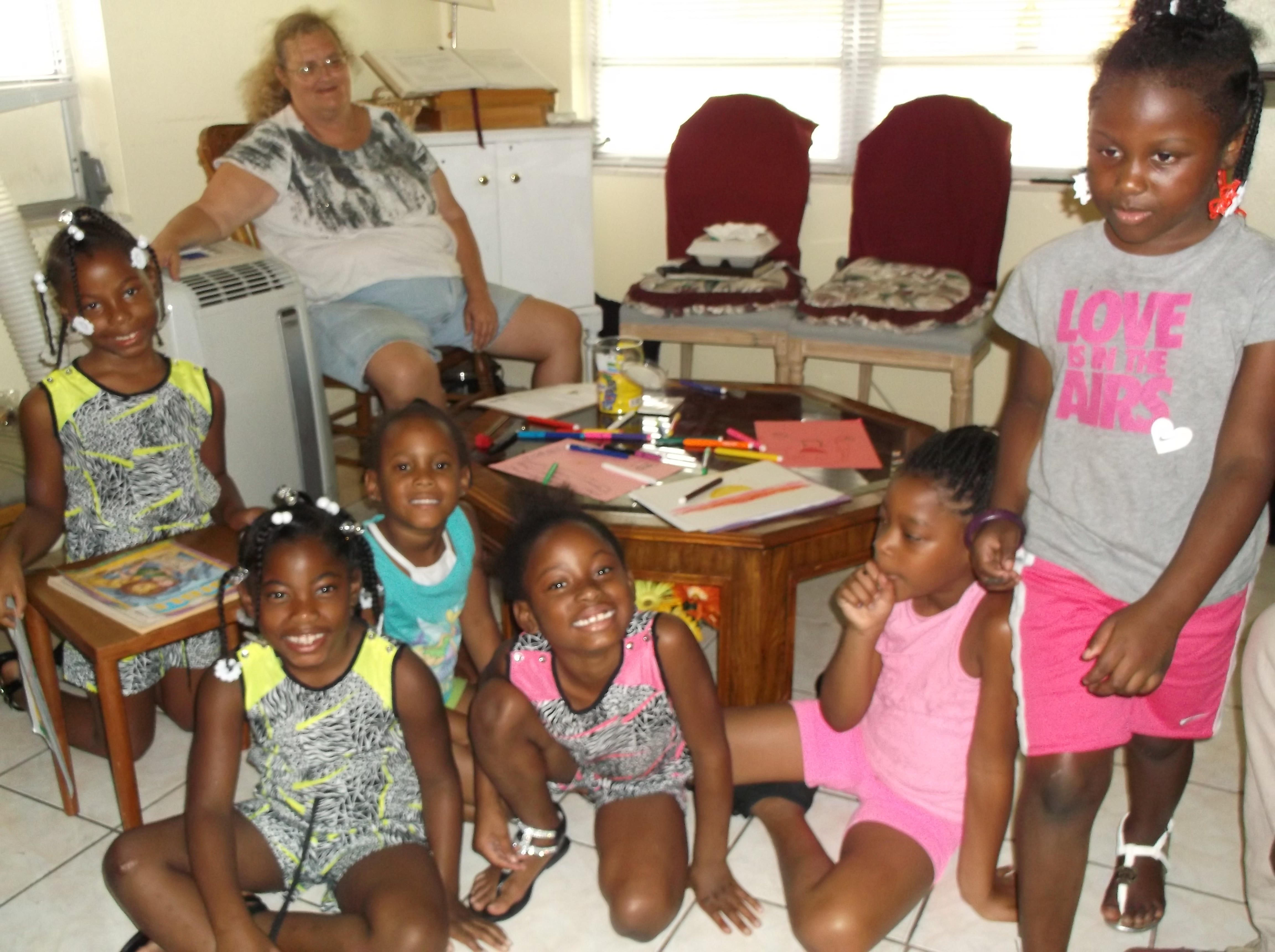
    White and Novak Chabot are among about 200 women worldwide who consider themselves to be Roman Catholic priests. They were ordained by either the Roman Catholic Women Priests or the Association of Roman Catholic Women Priests.

    There are about 100 in the United States.

    And there are five in Massachusetts, two in New Hampshire and one in Connecticut.

    A spokeswoman for the association said the movement is “flourishing” and is aiming at millions of Catholics who left the church over issues such as gender equality, divorce and LGBT.

    However, there is no sign that the Vatican is likely to change its position on women priests anytime soon.

    And the movement is still “fairly isolated,” said Thomas Groome, a professor of theology and religious education at Boston College.

    But White and Novak Chabot figure they’ve at least started on what they see as the long journey to equality.

  • Two Astute World Views of Laudato Si: Pope Francis’ Courageous and Brilliant Encyclical on the Environment

    “Pope Francis blesses a boy in the Varginha slum in Rio de Janeiro July 25, during his weeklong visit to Brazil for World Youth Day. (CNS photo/Paul Haring) (July 25, 2013)

    One of the many history-making features of “Laudato Si’” is that it is the first encyclical fully conceived and completed by a non-European. (Pope Francis’ previous encylical, Lumen Fidei, was largely written by his predecessor, Pope Benedict XVI.) What difference does this make?

    It comes from a Third World pope.As Jorge Bergoglio, Pope Francis’ life and ministry were marked by global capitalism and authoritarian communism fighting for control over his native Argentina. He saw firsthand how both ideologies left the poor in misery. Argentina suffered crippling economic crises as it attempted to play by the rules that richer countries put in place. This encyclical speaks from that history. It was initially drafted by Cardinal Peter Turkson of Ghana, making it a landmark testament to the world from Catholics of the Global South.

    It transcends Cold War binaries. Although some commentators have labeled Pope Francis a communist, what he offers is a refreshing departure from the ideological boxes that plague the rich world’s discourse. He opposes an economy based on short-term corporate profits while embracing the creativity and productivity that markets encourage. He stresses the divide between haves and have-nots, but calls for dialogue rather than class struggle. Above all, he opposes the idolatry of any ideology that puts itself before the well-being of human beings and creation.

    It foregrounds the experience of the poor. Both the environmental movement and its opponents often seem to be purusing a theoretical and boutique cause, reserved for the wealthy and highly educated. Pope Francis frames his teaching with the perspective of the world’s poor, for whom the climate crisis is not a future possibility but a present reality. He identifies the “ecological debt” that the rich owe to the poor for the effects of their relentless consumerism.

    It places the commons over property. “God rejects every claim to absolute ownership,” Pope Francis writes. While the world’s rich justify their pollution on the basis of property rights, Catholic tradition upholds private property only as long as it fosters stewardship for the common good. The world is first of all God’s gift to everyone, and property cannot be used to withhold the necessities of life from the many for the enrichment of the few. “The climate is a common good,” he reminds us, “belonging to all and meant for all.”
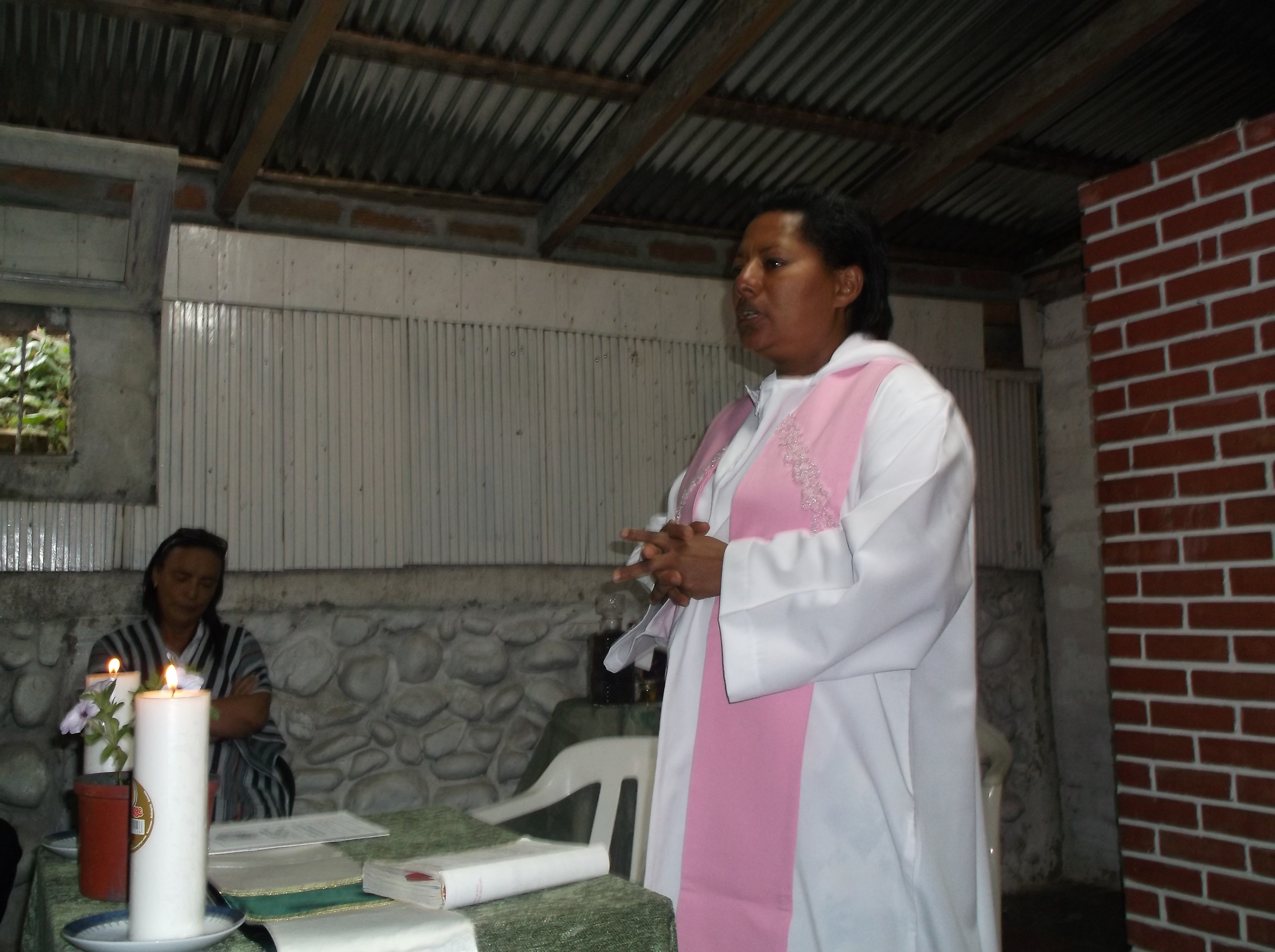
    It says what is unsayable in U.S. politics. The climate crisis has been virtually a non-issue in Washington, thanks largely to the influence of the energy lobby. “Laudato Si’” breaks this silence, and it calls public officials to step away from the sidelines. It doesn’t offer particular policy proposals so much as it invites everyone into a common dialogue. It also gives voice to the concerns of Latino Catholics, who are far more concerned about the environment than their white counterparts, but who have often gone unheard.

    It takes both Catholic tradition and science seriously. However radical this document may seem, it falls squarely in the mainstream of both the scientific community and Catholic tradition. Much of what Pope Francis says here has been said or alluded to by previous popes, and he cites his predecessors going back to Paul VI in the preface. Regarding scientific claims, he respects the authority of scientists who speak from their expertise and takes it for granted that Catholic faith must be consistent with the deliverances of reason.

    It speaks of relationship rather than dominion. Knowing that biblical passages can be used to justify a narrative of human “dominion” over nature, Pope Francis shows that those same passages, and many others, call us to relationship above all. He outlines an “integral ecology,” one centered on the sanctity of human life, while recognizing that human flourishing depends on the flourishing of the environment of which we are a part. Like the African concept of ubuntu, he sees the dignity of humanity expressed in our relationships—to our Source, to each other and to creation.

    Please support our journalism. Subscribe now!

    It insists that we can make a difference. This is the first encyclical addressed not just to bishops, or to Catholics, or even to “all people of good will,” but to “every person living on this planet.” Pope Francis does this for a reason. He concludes that we can rely solely on neither the state, nor an invisible hand of the market, nor the wonders of technology can solve the climate crisis for us. He calls on each of us to recognize our own sins against creation, and to repent, and to reorient our lives toward a healthier kind of relationship. This means not choosing one form of consumerism over another, but directing our resources toward a different kind of economy altogether—one based not on short-term profits but on long-term flourishing. We’ll disagree about how to do this. And it is not a temporary matter of somehow saving the world and then being done. This encyclical will be a lasting part of Catholic teaching, and it calls us—now and always, wherever we are in the world—to deepen our relationship with our crucified planet.”

    And this pastor and priest and human being says AMEN !!!

    Pope Francis blames ‘human selfishness’ for global warming

    • 18 June 2015
    • From the sectionEurope
    Pope Francis
    The Pope calls for a radical change in behaviour to save the planet for future generations

    Pope Francis has blamed human selfishness for global warming in his long-awaited encyclical calling for action on climate change.

    In the letter, he urges the rich to change their lifestyles to avert the destruction of the ecosystem.

    Environmentalists hope the message will spur on nations ahead of the UN climate conference in Paris in December.

    But parts of the document, leaked earlier this week, have already been criticised by some US conservatives.

    It has been dismissed by two Republican presidential candidates.

    Humans to blame

    The encyclical, named “Laudato Si (Be Praised), On the Care of Our Common Home”, aims to inspire everyone – not just Roman Catholics – to protect the Earth.

    The 192-page letter, which is the highest level teaching document a pope can issue, lays much of the blame for global warming on human activities.

    Pope Francis writes that: “We have come to see ourselves as her lords and masters, entitled to plunder her at will.

    “The violence present in our hearts, wounded by sin, is also reflected in the symptoms of sickness evident in the soil, in the water, in the air and in all forms of life.”

    null
    The letter highlights the loss of biodiversity in Amazonian rainforests and the melting of polar glaciers

    He criticises what he calls a “collective selfishness”, but says that there is still time to stop the damage, calling for an end to consumerism and greed.

    ‘Moral approach’

    Vatican spokesman Federico Lombardi launched the pontiff’s second encyclical at a news conference on Thursday.

    The teaching is more evidence of a pontiff determined to act as a catalyst for change, and a powerful diplomatic player on the world stage, says the BBC’s religious affairs correspondent Caroline Wyatt.

    The release comes six months before international leaders gather in Paris to try to seal a deal to reduce carbon emissions.

    UN Secretary-General Ban Ki-moon welcomed the document, saying climate change was a “moral issue requiring respectful dialogue with all parts of society”.

    null
    Metropolitan of Pergamon Joannis Zizioulas (left) became the first high-ranking Orthodox Church official to present a papal document

    It has also been widely praised by environmental groups, with WWF president Yolanda Kakabadse saying it “adds a much-needed moral approach” to the debate on climate change.

    Greenpeace leader Kumi Naidoo highlighted passages calling for policies that reduce carbon emissions, including by replacing fossil fuels with renewable energy.

    But a leak of the document, published by Italy’s L’Espresso magazine on Tuesday, had a frosty response from sceptical conservatives in America, including two Roman Catholic presidential candidates.

    Jeb Bush said he did not get his economic policy from his bishops, cardinals or pope – so why his policy on the environment?

    Meanwhile Rick Santorum questioned whether the Pope was credible on the issue of climate science.

    US Senator, Jim Inhofe, chairman of the US Senate Environment Committee, said he disagreed with the Pope’s “philosophy” on global warming.

    “I am concerned that his encyclical will be used by global warming alarmists to advocate for policies that will equate to the largest, most regressive tax increase in our nation’s history.”

    However, many academics have welcomed the pontiff’s input.

    Prof Myles Allen, Professor of Geosystem Science at the University of Oxford in the UK, said: “If Pope Francis can’t speak up for our unborn grandchildren, then God help us all.”

    null

    Will Pope sway Americans? – Roger Harrabin, BBC News environment analyst

    null
    Jeb Bush dismissed a leaked draft of the encyclical

    The UN’s climate change chief Christiana Figueres says the Pope’s message will influence talks in Paris this year on a deal to tackle global warming.

    Developing countries are demanding firmer promises of financial help from rich countries so they can adapt to inevitable changes in the climate and get clean energy to avoid contributing to further warming.

    Ms Figueres said their position would be strengthened by the Pope’s insistence that this was the clear moral responsibility of the rich.

    The encyclical will be welcomed by poor countries in Africa and Latin America.

    The big question is how it will play in the USA, where it has already been dismissed by a Republican presidential candidate Jeb Bush, who is a Catholic.

    Leading Republicans have warned the UN that they will undo President Barack Obama’s climate policies – so if the encyclical sways any of the conservative Catholics in Congress that could prove significant.

    null